Oil prices surge past $107 as Iran-Saudi tensions escalate
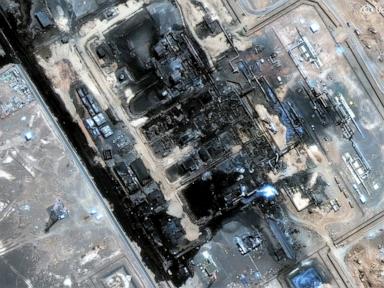
Global oil prices jumped Monday following attacks on Saudi infrastructure and the Strait of Hormuz, impacting crude benchmarks.
Global and U.S. oil prices continued to edge higher early on Monday morning, with Brent crude surpassing $107 per barrel, following recent attacks on Saudi oil infrastructure and increased targeting of commercial vessels in the Strait of Hormuz.
The escalation in the Middle East comes amid ongoing tensions between Iran and the United States, which have engaged in a series of strikes and counter-strikes. The strategic Strait of Hormuz, a critical chokepoint for global oil transport, has become a primary flashpoint in the conflict.
Brent crude oil prices reached over $107 per barrel on Monday, marking a nearly 3% increase. West Texas Intermediate (WTI) crude, the North American benchmark, also saw a rise, nearing $103 per barrel, up around 3%. These price movements reflect market concerns over potential supply disruptions.
In response to the growing instability, a planned meeting between Iran and regional countries in Oman, intended to discuss shipping arrangements through the Strait of Hormuz, has been postponed. Omani Foreign Minister Badr Albusaidi announced the postponement Sunday, stating it was "in the interests of consensus" and reaffirming Oman's commitment to fostering dialogue for regional stability.
The current conflict traces back to February 28, when President Donald Trump announced major combat operations against Iran, involving joint U.S.-Israeli strikes on military, government, and infrastructure sites. Negotiations aimed at a war-ending deal, which began in June, have faltered as exchanges of strikes persisted, particularly around the Strait of Hormuz.
In August, President Trump declared the U.S. would launch a "crushing economic operation" to compel Iran's submission. This economic pressure, coupled with direct military actions, has contributed to the volatile situation and its impact on global energy markets.
Separately, President Trump on Sunday attributed global diesel shortages not to the Middle East conflict, but to Ukrainian strikes on Russian oil facilities. He urged Ukrainian President Volodymyr Zelenskyy to cease targeting diesel fuel production, stating it was "hurting the world."
The ongoing military and economic exchanges between the U.S. and Iran, alongside regional instability, continue to create uncertainty in global energy markets, with the Strait of Hormuz remaining a focal point of concern for international trade and oil supply.
This article was written by AI based on publicly available news reporting. Original reporting by the linked source.