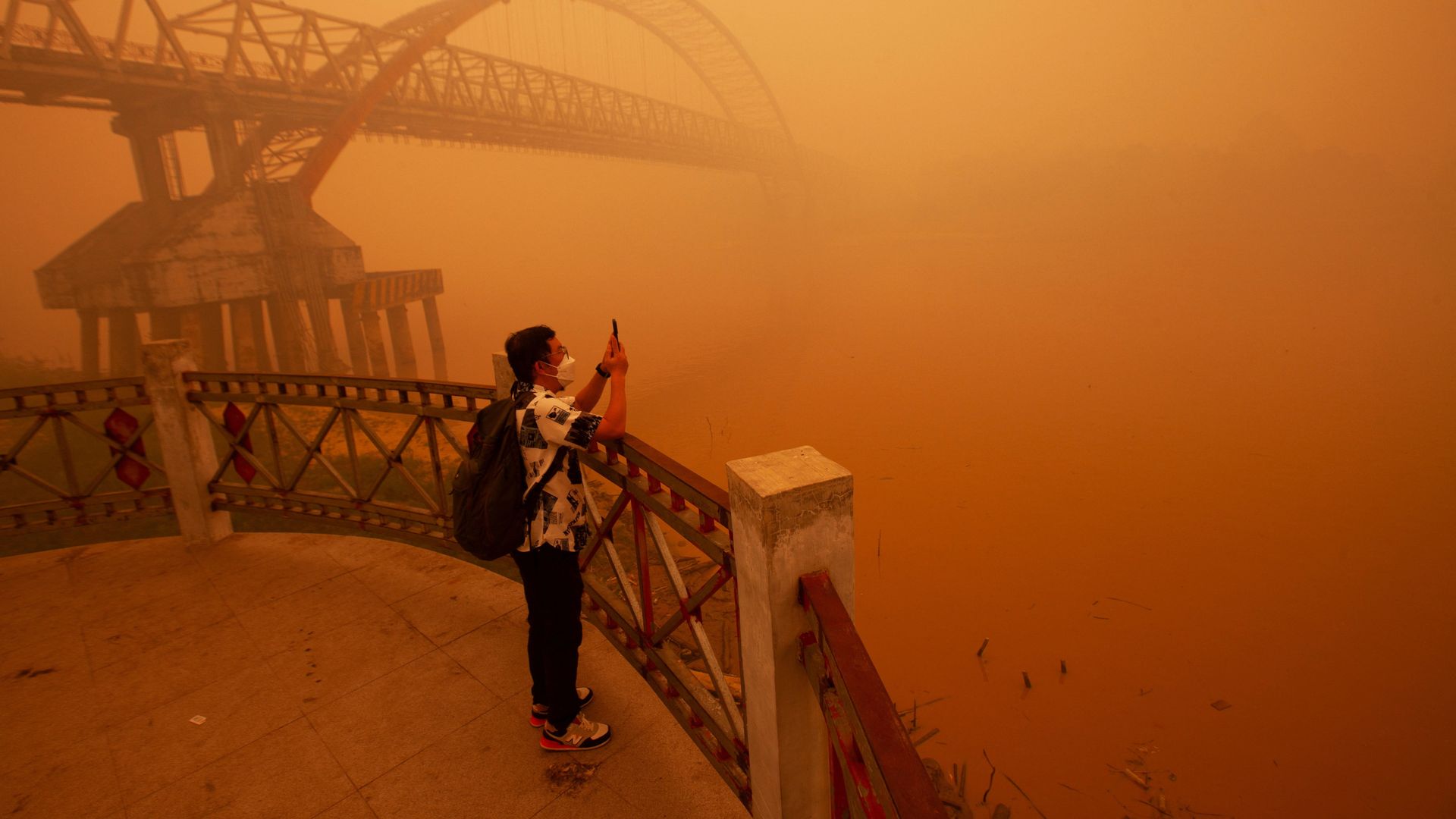
Orange Smog Engulfs Indonesian Cities from Wildfire Pollution
Dangerous orange smog blankets Indonesian cities as wildfire pollution intensifies, impacting air quality and public health.
Cities across Indonesia have been enveloped in an eerie orange smog, a stark visual indicator of the escalating wildfire pollution crisis. The persistent haze, driven by uncontrolled blazes, has created hazardous air quality conditions, raising significant concerns for public health and the environment across the archipelago and neighboring nations.
The current situation underscores the recurring challenge Indonesia faces with land and forest fires, often exacerbated by dry seasons and land-clearing practices. These fires release vast amounts of smoke and particulate matter into the atmosphere, leading to widespread respiratory issues and significantly reducing visibility.
Residents have described the smog as suffocating, with many opting to stay indoors and wear masks when venturing outside. Air quality monitoring stations have reported hazardous levels of pollutants, prompting health advisories from local authorities. The thick, discolored haze paints a grim picture of the environmental toll.
The implications of this pollution extend beyond immediate health concerns. Prolonged exposure to fine particulate matter can lead to serious long-term health problems, including cardiovascular and respiratory diseases. The economic impact, through reduced tourism and agricultural productivity, is also a growing worry.
This phenomenon is not new to Indonesia, which has battled severe haze events in previous years, often linked to peatland fires that are particularly difficult to extinguish. The fires are frequently associated with the expansion of palm oil and pulpwood plantations, where slash-and-burn techniques are sometimes employed.
Environmental groups and international bodies have repeatedly called for stronger enforcement of anti-deforestation laws and more sustainable land management practices. The transboundary nature of the haze means that neighboring countries, such as Singapore and Malaysia, also suffer the consequences, leading to diplomatic tensions during severe episodes.
Experts warn that the intensity and duration of these events are likely influenced by climate change, which can lead to longer and more severe dry seasons. This exacerbates the conditions under which fires can ignite and spread rapidly.
Authorities have deployed firefighting resources to combat the blazes, but the scale of the problem, particularly in remote peat swamp areas, presents immense challenges. Unresolved questions remain about the long-term effectiveness of current strategies in mitigating these recurring environmental disasters and protecting the health of millions.
This article was written by AI based on publicly available news reporting. Original reporting by the linked source.