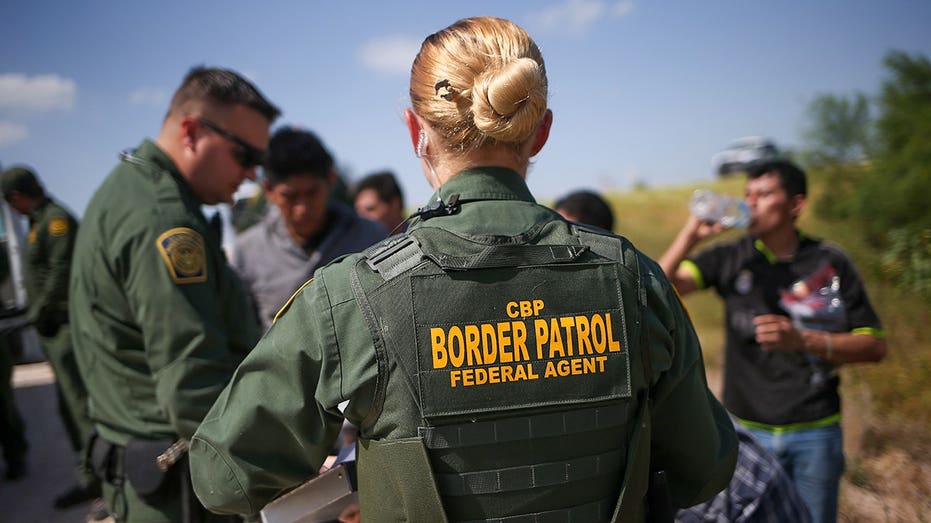
Padres Coordinator Oswaldo Pirela Detained by Border Patrol in Texas
San Diego Padres minor-league catching coordinator Oswaldo Pirela was detained by Border Patrol at El Paso International Airport.
San Diego Padres minor-league catching coordinator Oswaldo Pirela was detained by U.S. Border Patrol at El Paso International Airport on August 18, 2026. Pirela, a native of Venezuela, was reportedly apprehended as he was preparing to travel back to Arizona.
The incident occurred in El Paso, Texas, a common entry point for individuals crossing into the United States. The specific circumstances leading to his detention have not been fully disclosed by authorities.
Details surrounding the detention remain sparse, but sources indicate Pirela was in the process of returning to his base in Arizona when the encounter with Border Patrol took place. The San Diego Padres organization has not yet released a statement regarding the situation.
This event raises questions about the ongoing immigration policies and their impact on individuals working within professional sports organizations. The Padres, like many MLB teams, have international operations and employ personnel from various countries.
El Paso Sector Border Patrol agents are responsible for a vast stretch of the U.S.-Mexico border. Their duties include intercepting individuals attempting to enter the country illegally, as well as enforcing immigration laws for those already within the United States. The airport setting suggests Pirela may have been subject to immigration checks during his travel.
Oswaldo Pirela's role as a catching coordinator for the Padres' minor league system means he works with developing players across the team's farm system. This position often involves travel and interaction with players and staff of various nationalities.
Further information is expected to emerge as the situation develops. The Padres organization will likely face pressure to comment on the status of their employee and the implications of his detention.
This incident highlights the complexities of immigration enforcement and its intersection with the world of professional sports, where international talent and staff are increasingly common. The outcome for Pirela will depend on the specific immigration laws and regulations applicable to his situation.
This article was written by AI based on publicly available news reporting. Original reporting by the linked source.