Pennsylvania Primaries to Decide Key House, Governor Races for 2026 Midterms
Pennsylvania voters head to polls Tuesday for primaries shaping critical 2026 midterm election battles for the House and governorship.
Voters across Pennsylvania are participating in primary elections on Tuesday, setting the stage for crucial contests that could determine control of the state and significantly impact the balance of power in the U.S. House of Representatives in the 2026 midterm elections.
Both major political parties recognize Pennsylvania's pivotal role in national politics. "The road to the majority in the House of Representatives runs through Pennsylvania," stated James Markley, Executive Director of the Pennsylvania Republican Party. Similarly, Allentown Mayor Matt Tuerk, a Democrat, emphasized the importance of key cities like Allentown and Scranton in paving a path for a Democratic majority in Congress.
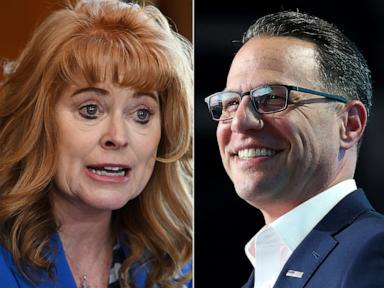
One of the most closely watched races is for the governorship. Incumbent Democratic Governor Josh Shapiro, first elected in 2022, is seeking a second term. While facing speculation about a potential presidential run in 2028, Shapiro has stated his focus remains on the current election cycle. His opponent will be Republican State Treasurer Stacy Garrity, who aims to unseat Shapiro by highlighting concerns over affordability and other issues facing Pennsylvanians. Neither gubernatorial candidate has primary challengers.
The battle for control of the U.S. House includes intense focus on Pennsylvania, where Democrats are targeting four Republican-held House seats, among the highest number of such targets in any state. One of these key districts is the 7th Congressional District, encompassing the Lehigh Valley. Republican Representative Ryan Mackenzie is running unopposed in his primary as he seeks a second term. He narrowly won the seat in 2024, flipping it from Democratic control by a single percentage point.
Mackenzie has asserted that the Democratic candidates in his district have all adopted "radical-left policies" and expressed confidence that voters will continue to trust him to represent the region. The Democratic primary for the 7th District features four candidates with diverse backgrounds and some internal party friction.
Governor Shapiro has endorsed Bob Brooks, a union leader and former firefighter, who has garnered support for his working-class appeal and potential to energize that demographic. However, Brooks has faced scrutiny regarding the significant institutional support he has received, including endorsements from Governor Shapiro and progressive Senator Bernie Sanders, prior to the primary vote.
The outcome of these primaries is expected to define the major electoral battles in Pennsylvania for the 2026 cycle. The state's status as a battleground is underscored by the national implications of its House races, where Democrats aim to flip multiple seats to bolster their chances of regaining a House majority.
As the primary results come in, attention will turn to the general election matchups, which are anticipated to be highly competitive and draw significant national attention and resources given Pennsylvania's swing-state status.
This article was written by AI based on publicly available news reporting. Original reporting by the linked source.