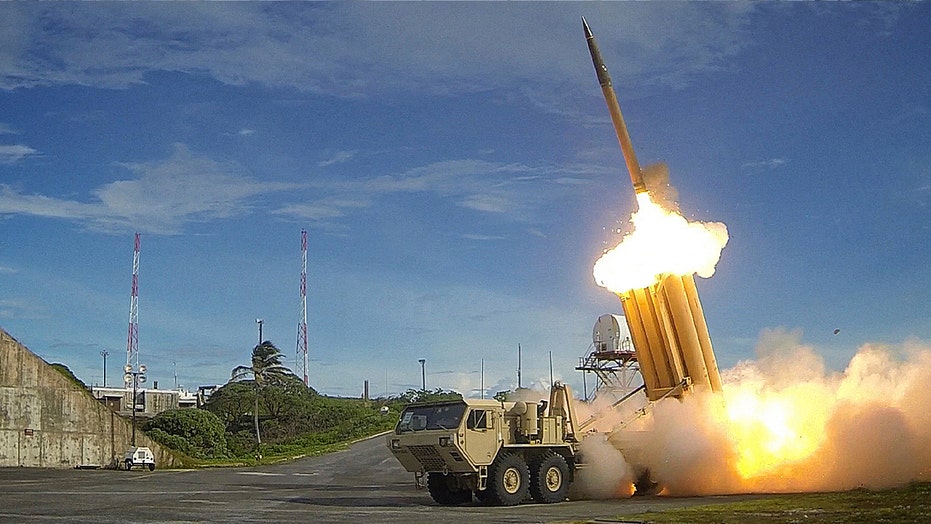
Pentagon Shifts Missile Strategy as Conflicts Drain U.S. Stockpiles
The Pentagon is altering its missile procurement and deployment strategies due to significant depletion of U.S. stockpiles caused by ongoing global conflicts.
The U.S. Department of Defense is enacting a significant shift in its missile strategy, driven by the substantial depletion of American stockpiles. Repeated global conflicts have placed an unprecedented demand on the nation's missile inventory, prompting a reassessment of procurement, production, and deployment.
This strategic pivot comes as the United States has been a primary supplier of advanced weaponry, including missiles, to nations engaged in protracted conflicts. The continuous supply has put a strain on existing reserves, highlighting vulnerabilities in the defense industrial base's ability to rapidly replenish these critical munitions. The sheer volume of munitions expended in recent and ongoing engagements has outpaced historical consumption rates.
The Pentagon is reportedly exploring ways to accelerate missile production and diversify its supply chains. Officials are emphasizing the need for more robust and responsive manufacturing capabilities to meet both current battlefield demands and future strategic requirements. While specific figures on stockpile levels are classified, the urgency of the situation underscores the scale of the depletion.
This change in strategy has broad implications for U.S. military readiness and its ability to project power globally. It also raises questions about the long-term sustainability of supporting allies in multiple theaters simultaneously without compromising domestic defense needs. Experts suggest this situation may necessitate increased defense spending and investment in advanced manufacturing technologies.
The current situation echoes historical periods of rapid military buildup, but it is characterized by the complexity of modern warfare and the globalized nature of defense supply chains. The reliance on specialized components and international partnerships for manufacturing can create bottlenecks that are difficult to overcome quickly.
Defense contractors are expected to play a crucial role in this strategic shift. The Pentagon will likely work closely with these companies to incentivize increased production, potentially through long-term contracts and investments in new facilities. However, scaling up production is a complex process involving skilled labor, raw materials, and intricate manufacturing processes.
Analysts note that the drawdown of munitions is not solely a result of direct U.S. involvement but also stems from the significant military aid provided to allies. This dual demand on stockpiles has created a unique challenge for defense planners, requiring a delicate balance between immediate support and long-term strategic positioning.
Questions remain about the timeline for rebuilding these critical stockpiles and the specific types of missiles that are most affected. The Pentagon's revised strategy will be closely watched to understand how it plans to address these pressing concerns and ensure sustained military superiority in an increasingly volatile global landscape.
This article was written by AI based on publicly available news reporting. Original reporting by the linked source.