Philippines Issues Tsunami Alert After Powerful 7.8-Magnitude Earthquake Strikes Mindanao
A 7.8-magnitude earthquake near Mindanao, Philippines, triggered tsunami alerts, prompting evacuations and warnings for coastal areas.
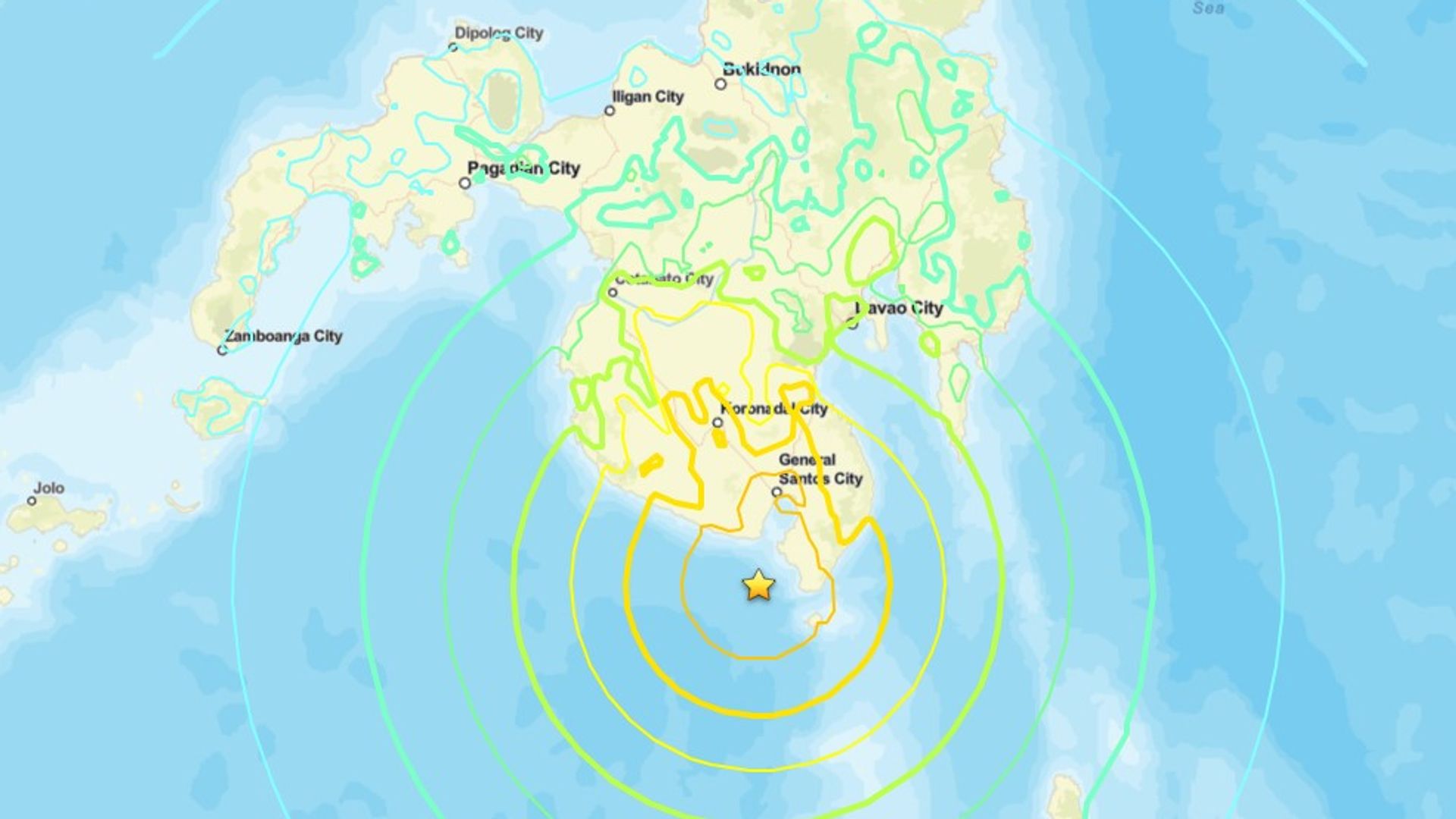
A powerful 7.8-magnitude earthquake jolted the southern Philippines on Saturday, prompting authorities to issue tsunami alerts and warnings for coastal communities. The seismic event occurred off the coast of Mindanao, the country's second-largest island, at a shallow depth.
The Philippines, located on the Pacific Ring of Fire, is highly susceptible to earthquakes and volcanic activity. This region is known for its tectonic plate boundaries, which frequently cause seismic tremors. The potential for tsunamis following significant undersea earthquakes is a constant concern for the archipelago nation.
Following the tremor, the Philippine Institute of Volcanology and Seismology (Phivolcs) issued a tsunami advisory, warning of "dangerous" wave heights. Residents in coastal areas of Mindanao and nearby islands were urged to evacuate to higher ground or move inland. Initial reports indicated that the earthquake was felt strongly across several provinces, causing panic and prompting people to flee their homes.
The immediate implications of the earthquake include the risk of tsunami inundation for low-lying coastal areas. Authorities are closely monitoring sea levels and wave activity. The focus is on ensuring the safety of the population and assessing any potential damage caused by the earthquake itself or subsequent tsunami waves.
While the full extent of the damage and potential tsunami impact remains under assessment, the shallow depth of the earthquake is a significant factor in its potential to generate large waves. Phivolcs typically provides updates on seismic activity and tsunami warnings through official channels, emphasizing the importance of heeding evacuation orders.
Seismologists often analyze earthquake depth, magnitude, and location to predict the likelihood and severity of tsunami generation. Earthquakes at shallower depths tend to transfer more energy to the ocean, increasing the risk. The specific location off the coast of Mindanao is also crucial, as it dictates which coastal regions are most vulnerable.
Emergency services and disaster response agencies are on high alert, preparing to respond to any immediate needs. The government has also appealed for calm and urged citizens to stay informed through official broadcasts. Past earthquakes in the region have underscored the importance of preparedness and rapid response to mitigate loss of life and property.
Questions will likely focus on the actual height and reach of any tsunami waves that may have formed, the extent of damage to infrastructure, and the effectiveness of the early warning and evacuation systems. The long-term recovery and resilience of affected communities will also be key areas of concern.
This article was written by AI based on publicly available news reporting. Original reporting by the linked source.