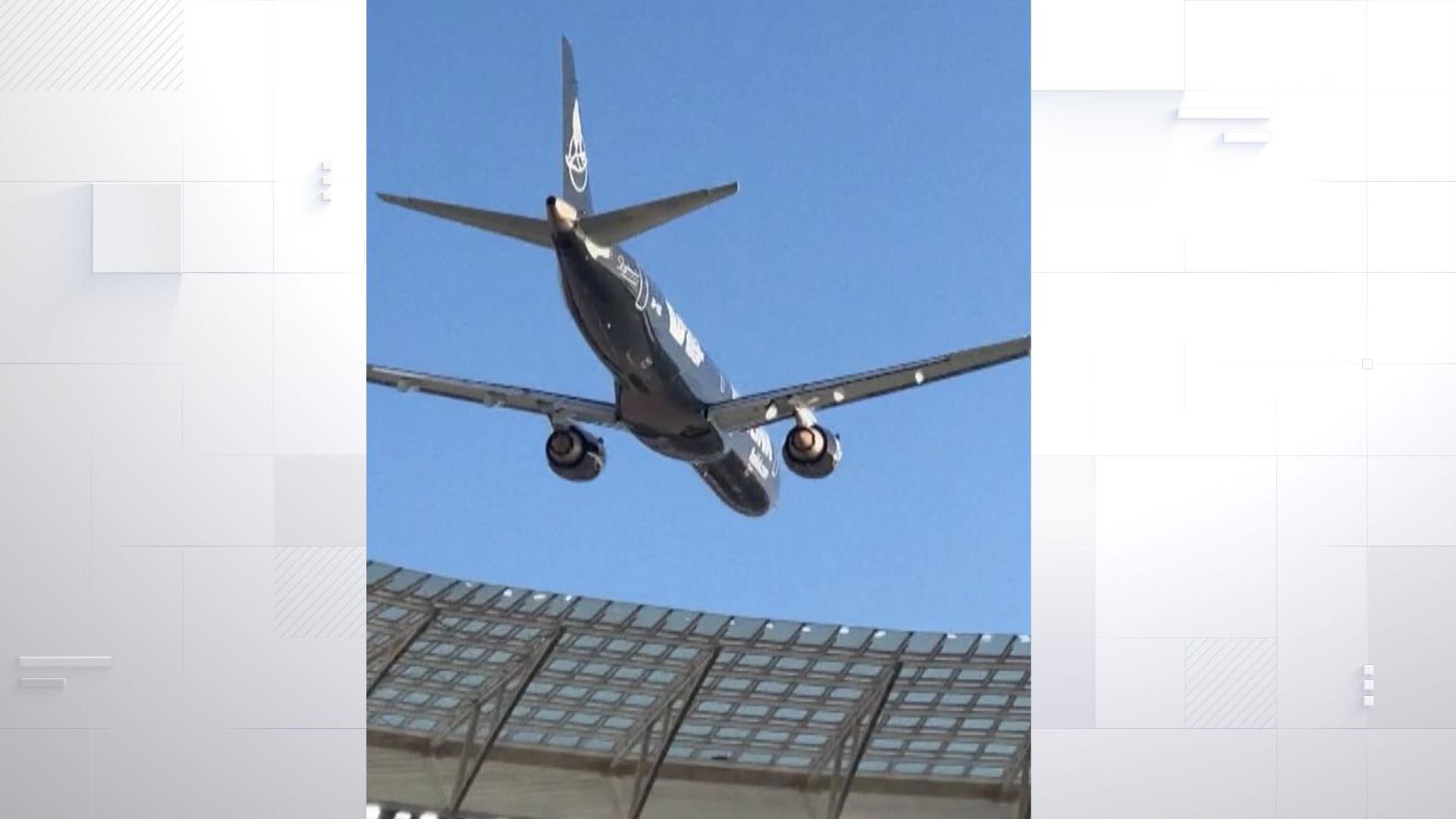
Pilots' low stadium flypast sparks debate over safety and skill
A daring low-level flypast over a packed stadium ignited controversy, splitting opinions between praise for pilot skill and condemnation for perceived recklessness.
A dramatic low-level flypast over the roof of a crowded stadium has polarized public opinion, with accusations of dangerous recklessness clashing with admiration for the pilots' expertise. The incident, which occurred over the weekend, saw an aircraft pass incredibly close to the stadium's structure, thrilling some spectators while alarming others.
This maneuver, often performed at airshows to showcase the capabilities of aircraft and the precision of their crews, has drawn scrutiny when conducted over densely populated areas or large public gatherings. Critics argue that such displays, regardless of pilot skill, inherently carry risks that are unacceptable when so many lives are potentially at stake.
Eyewitnesses reported a mix of awe and apprehension as the aircraft thundered overhead, its proximity to the stadium roof leaving little room for error. Supporters lauded the pilots for their exceptional control and nerve, viewing the flypast as a spectacular demonstration of aviation prowess. Conversely, detractors voiced concerns about potential equipment failure, unexpected weather changes, or pilot disorientation, which could have catastrophic consequences.
The differing reactions highlight a broader discussion about the acceptable boundaries for aerial displays and the balance between entertainment and public safety. The incident raises questions about the regulations governing such flypasts and the responsibility of organizers and aviation authorities to ensure public security.
While the exact type of aircraft and the specific aviation authority that sanctioned or monitored the event have not been detailed, such flypasts are typically executed under strict protocols. These often include pre-flight planning, weather checks, and designated flight paths designed to minimize risk. However, the very nature of a low-level pass over a venue filled with thousands of people inherently elevates the perceived danger.
Those who champion the flypast often point to historical instances where similar maneuvers have been performed without incident for decades, serving as a celebrated part of sporting events or national celebrations. They emphasize the rigorous training and countless hours of practice that pilots undertake to achieve such feats, suggesting that the skill involved negates much of the perceived risk.
However, safety advocates and a segment of the public remain unconvinced. They argue that no amount of skill can entirely eliminate the possibility of unforeseen circumstances. The potential consequences of even a minor mishap in such a scenario are so severe that a zero-tolerance approach to risk is warranted, they contend.
This event is likely to prompt a review of existing safety guidelines and potentially lead to stricter regulations for aerial displays over public venues, underscoring the delicate balance between tradition, spectacle, and the paramount importance of ensuring the safety of all.
This article was written by AI based on publicly available news reporting. Original reporting by the linked source.