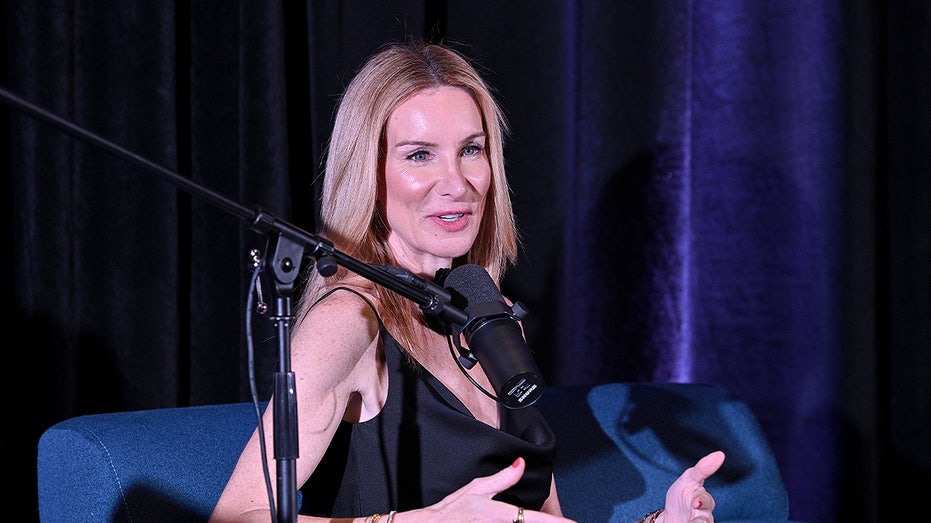
Podcaster Jennifer Welch Slams Homeschooling as 'Trickle Down Stupidity,' a 'Huge Problem'
Far-left podcaster Jennifer Welch described homeschooling as 'selfish, weird, and child abuse,' calling it a significant societal issue.
Far-left podcaster Jennifer Welch has voiced strong criticism of homeschooling, labeling it as a practice rooted in selfishness and a potential form of child abuse. Welch, a host on a prominent far-left podcast, articulated her views during a recent discussion, characterizing homeschooling as a "huge problem" that contributes to "trickle down stupidity."
Welch's remarks place her among a segment of critics who argue that homeschooling can isolate children and hinder their social development. These critics often suggest that the practice can lead to a limited worldview and inadequate preparation for societal interaction, contrasting it with the perceived benefits of traditional schooling environments.
According to Welch, the decision to homeschool is often driven by parents' personal biases and a desire to shield children from perspectives that differ from their own. She suggested that this approach can result in children lacking exposure to diverse viewpoints and potentially developing a skewed understanding of the world. The podcaster further elaborated that this form of education is "selfish" and "weird," implying that it deviates from accepted norms of child-rearing and education.
The implications of such criticisms extend to ongoing debates about parental rights in education and the role of the state in ensuring a standardized educational experience. While proponents of homeschooling emphasize its flexibility and ability to cater to individual learning styles and needs, critics like Welch highlight potential drawbacks related to socialization and exposure to a broader societal context.
Welch's commentary taps into a broader concern among some educators and social commentators about the potential for homeschooling to create echo chambers, where children are primarily exposed to the beliefs and values of their parents. This perspective suggests that such an environment might limit a child's ability to critically engage with different ideas and develop essential social skills necessary for navigating a diverse society.
Supporters of homeschooling often counter these arguments by pointing to numerous studies and anecdotal evidence that showcase the academic success and well-adjusted social lives of homeschooled children. They argue that homeschooling allows for tailored education, deeper family bonds, and opportunities for socialization through community involvement, extracurricular activities, and co-ops.
The debate over homeschooling is multifaceted, involving considerations of educational quality, parental autonomy, child welfare, and societal integration. Welch's strong stance adds another voice to the ongoing public discourse, emphasizing the critical perspectives held by some regarding this alternative educational path.
As the discussion continues, questions remain about how to best ensure that all children receive a comprehensive education that prepares them for civic life and fosters critical thinking, regardless of their educational setting. The differing viewpoints highlight the complexity of balancing individual freedoms with collective societal interests in education.
This article was written by AI based on publicly available news reporting. Original reporting by the linked source.