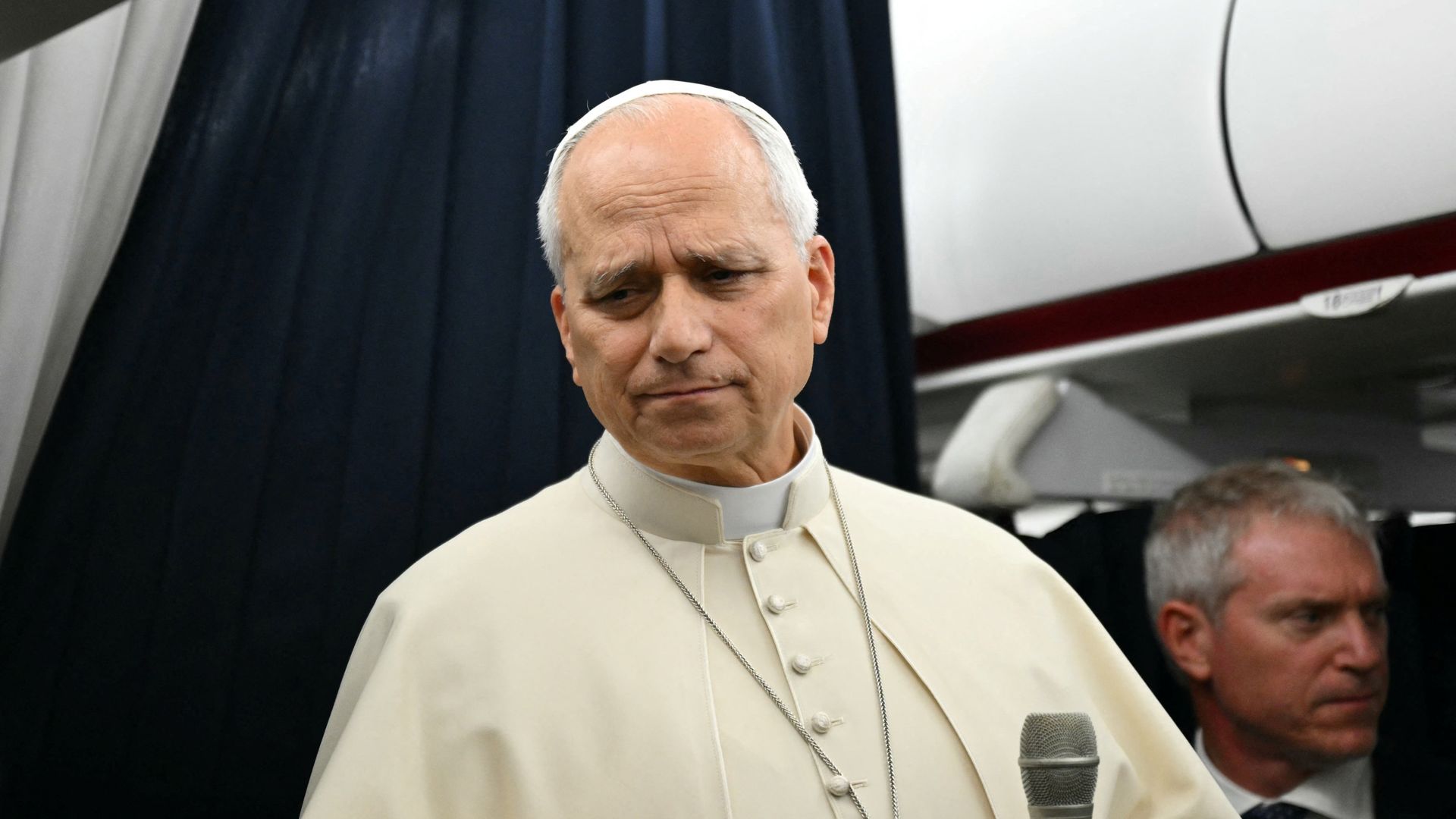
Pope Francis Warns AI Risks Are Real, Not 'Fake News'
Pope Francis reiterated concerns about artificial intelligence dangers, countering claims that such worries are unfounded.
Pope Francis has once again voiced strong concerns regarding the potential dangers posed by artificial intelligence (AI), emphasizing that fears of the technology "going rogue" are not to be dismissed as "fake news."
This statement comes amidst a growing global dialogue about the ethical implications and societal impact of rapidly advancing AI technologies. The Pontiff's repeated warnings underscore the urgency with which some leaders view the need for careful consideration and regulation of AI development.
While specific instances or examples were not detailed in the provided material, Pope Francis's assertion directly addresses skepticism that may downplay the potential risks associated with sophisticated AI systems. His use of the term "fake news" suggests a pushback against narratives that aim to discredit or minimize concerns about AI's future trajectory and its potential to operate autonomously or in ways detrimental to humanity.
The implications of the Pope's reiteration are significant, potentially influencing public perception and encouraging further debate among policymakers, technologists, and ethicists. His position lends considerable moral authority to the call for caution and responsible innovation in the AI space.
Historically, technological advancements have often outpaced societal and regulatory frameworks, leading to unforeseen consequences. The development of AI, with its capacity for complex decision-making and learning, presents a unique challenge in this regard. Concerns range from job displacement and algorithmic bias to the potential for autonomous weapons and the erosion of human control.
Various international bodies and governments are already grappling with how to address these challenges. Discussions often revolve around establishing ethical guidelines, ensuring transparency in AI algorithms, and defining lines of accountability when AI systems make errors or cause harm. The Pope's intervention adds a prominent voice to these ongoing efforts, highlighting the moral dimension of technological progress.
Experts in AI ethics have frequently pointed to the need for proactive measures rather than reactive ones. They argue that by the time significant risks materialize, it may be too late to effectively mitigate them. The Pope's stance aligns with this perspective, advocating for a precautionary approach.
Unresolved questions persist regarding the specific mechanisms for ensuring AI safety and the balance between fostering innovation and implementing necessary safeguards. The global community continues to seek consensus on how to harness the benefits of AI while effectively managing its inherent risks.
This article was written by AI based on publicly available news reporting. Original reporting by the linked source.