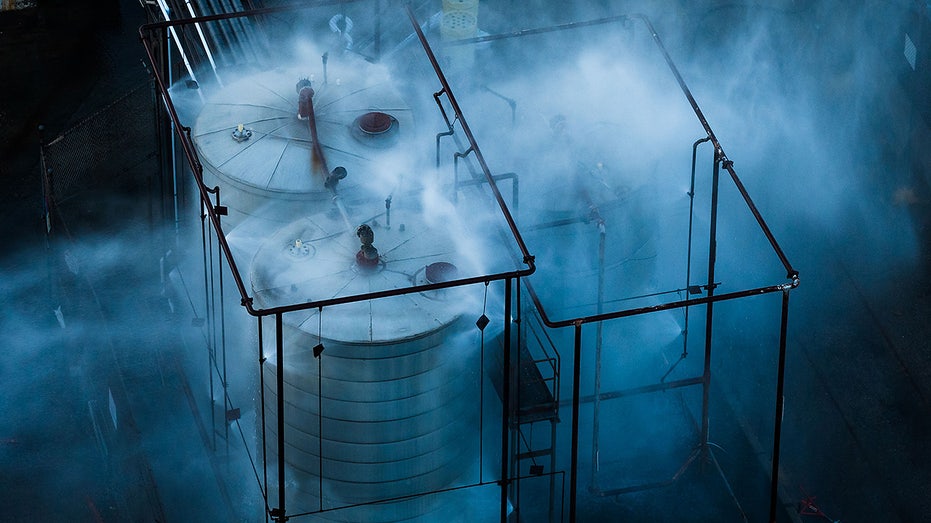
Possible Crack in Unstable Chemical Tank May Relieve Pressure at GKN Plant
Officials report a potential crack in a volatile chemical tank at the GKN aerospace plant, which could help avert a catastrophic explosion.
Officials have identified a possible crack in an unstable chemical tank at the GKN aerospace plant in London, a development that could potentially relieve dangerous pressure and prevent a catastrophic explosion. The discovery comes amid escalating concerns about the tank's integrity and the potential for a significant incident.
The chemical tank in question is known to contain volatile substances, and its deteriorating condition has been a major concern for plant operators and local authorities. The GKN facility is a critical component of the aerospace industry, and any major incident could have far-reaching consequences.
While the exact nature and size of the potential crack are still being assessed, the possibility that it is allowing some pressure to escape has been described as a "silver lining" by some officials. This could provide a crucial window of opportunity for further mitigation efforts to be implemented, lessening the immediate threat of a rupture. The situation remains tense as experts work to confirm the finding and its implications.
The discovery of this potential crack shifts the immediate focus from an imminent explosion to a more manageable crisis. However, it does not eliminate the underlying dangers associated with the unstable chemical and the compromised tank. Authorities are likely to intensify their monitoring of the situation and expedite plans for the safe removal or stabilization of the chemicals.
This situation has drawn considerable attention due to the high stakes involved. The GKN plant is a significant industrial site, and the volatile nature of the chemicals stored there has created a scenario that requires careful and constant oversight. The potential for a large-scale disaster has been a source of anxiety for the surrounding community and industry regulators alike.
Further analysis will be required to determine if the crack is sufficient to prevent a catastrophic event or if it merely delays the inevitable. Engineers and safety experts are on-site, working to gather more data and develop a comprehensive plan to address the long-term risks. The priority remains the safety of personnel and the public, as well as the protection of the environment.
Details regarding the specific type of chemical involved and the precise structural weaknesses of the tank have not been fully disclosed, likely due to ongoing safety assessments and the sensitive nature of the industrial operation. However, the classification of the chemical as volatile underscores the urgency and seriousness of the situation.
As investigations continue, the focus will be on ensuring that any actions taken to manage the pressure do not inadvertently exacerbate the problem or create new hazards. The situation highlights the inherent risks in storing and managing highly volatile substances within industrial settings and the critical importance of rigorous safety protocols and regular inspections.
This article was written by AI based on publicly available news reporting. Original reporting by the linked source.