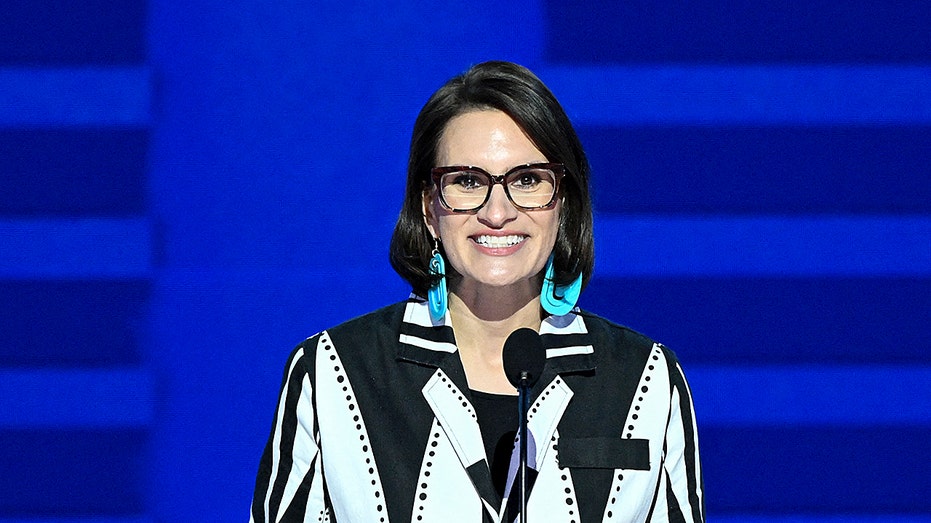
Progressive Peggy Flanagan Wins Minnesota Senate Primary, Defeating Rep. Angie Craig
Progressive challenger Peggy Flanagan has defeated incumbent Rep. Angie Craig in a significant Minnesota Senate primary victory.
In a notable shift in Minnesota's political landscape, progressive challenger Peggy Flanagan has secured a decisive victory over incumbent Representative Angie Craig in the state's Senate primary election. The outcome represents a significant win for the progressive wing of the Democratic party and signals potential challenges to established leadership within the party.
This primary contest was closely watched as a bellwether for the broader ideological battles playing out within the Democratic party nationwide. Flanagan's campaign focused on issues resonating with progressive voters, including economic inequality, climate action, and healthcare reform, positioning herself as a more left-leaning alternative to Craig.
The results indicate a strong appetite for progressive policies among a key segment of the Democratic electorate in Minnesota. Flanagan's supporters have hailed the victory as a mandate for bolder policy initiatives and a rejection of more centrist approaches. The close nature of the race in previous cycles had already highlighted divisions within the state's Democratic base.
With this primary win, Flanagan now advances to the general election, where she is expected to face Republican opposition. The dynamics of this race will undoubtedly influence the broader Senate election narrative, potentially drawing national attention to Minnesota's political contest.
Analysts suggest that Flanagan's victory could embolden progressive candidates in other upcoming primaries across the country. Her campaign successfully mobilized a coalition of voters energized by her platform, demonstrating the growing influence of the progressive movement within the Democratic party's electoral strategy.
Representative Craig, who has served in the House, ran on a record of legislative accomplishments and a more moderate policy stance. Her campaign emphasized her experience and ability to work across the aisle, but ultimately could not overcome the progressive momentum.
This outcome raises questions about the future direction of the Democratic party in Minnesota and the broader implications for the upcoming general election. The party will now need to navigate the ideological differences highlighted by this primary as it prepares for the fall campaign.
Further analysis will focus on Flanagan's strategies for unifying the party ahead of the general election and her prospects against the Republican nominee in what is anticipated to be a competitive race.
This article was written by AI based on publicly available news reporting. Original reporting by the linked source.