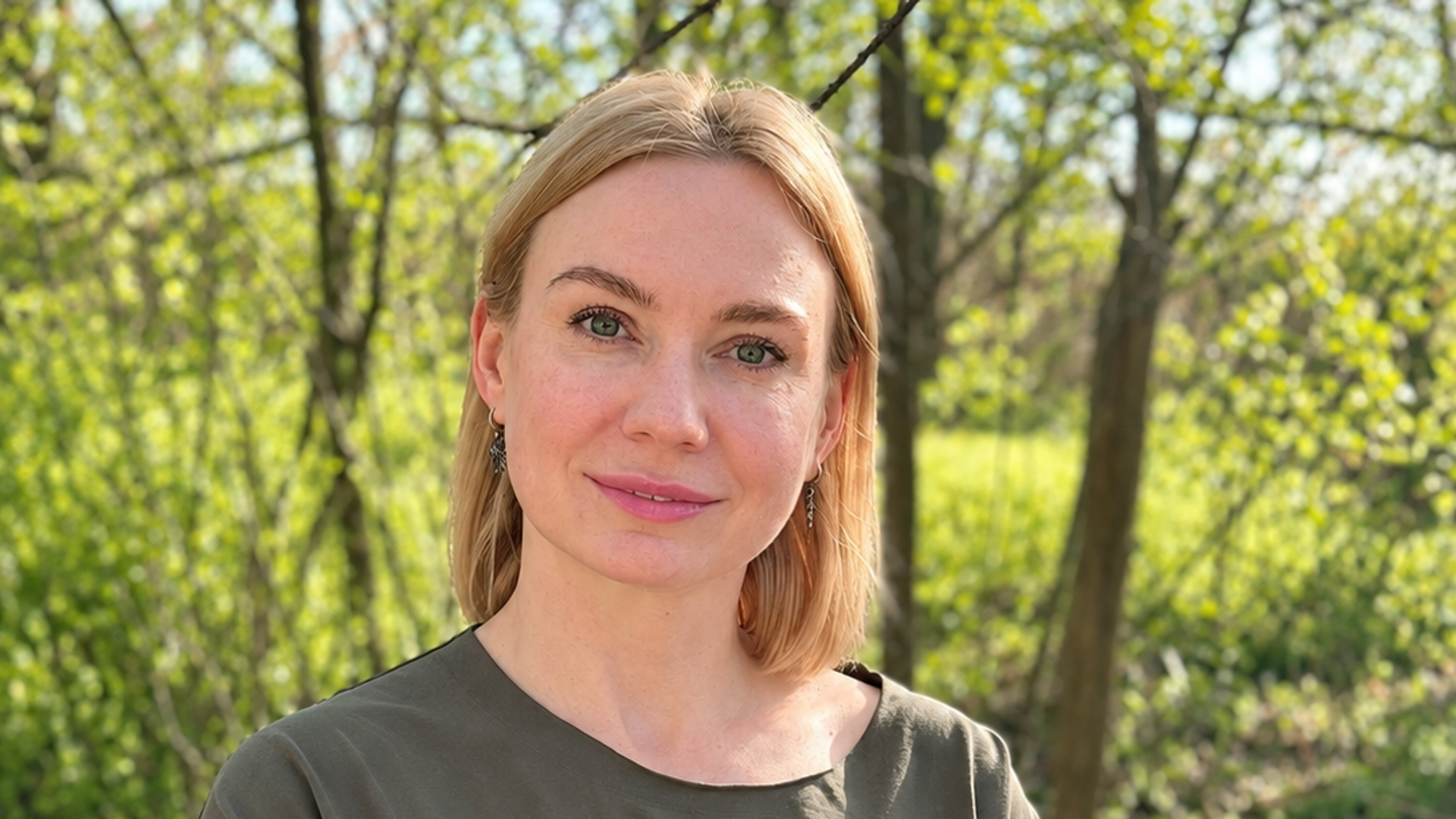
Psychologist Yevheniia Zhuravel helps Ukraine's veterans reintegrate and find purpose.
Psychologist Yevheniia Zhuravel aids Ukrainian veterans struggling with post-service life, helping them manage feelings of superfluity and reintegrate into society.
Psychologist Yevheniia Zhuravel is working with veterans in Ukraine to help them navigate the challenging transition back to civilian life and address feelings of displacement.
Many veterans, after dedicating themselves to military service, find themselves struggling to adapt to a society that may not fully understand their experiences or appreciate their skills. This can lead to feelings of isolation and a lack of purpose, a common issue Zhuravel aims to address.
"Often they feel superfluous, as if they don't fit in," Zhuravel states, highlighting the core emotional challenge many veterans face. Her approach focuses on fostering a sense of belonging and re-establishing a connection with the community and their own lives.
The work is critical as it seeks to prevent potential mental health crises and support the long-term well-being of those who have served their country. By acknowledging and validating their experiences, Zhuravel's efforts contribute to a more supportive reintegration process.
Zhuravel's methods likely involve therapeutic techniques designed to process trauma, build coping mechanisms, and rediscover personal identity outside of a military context. This can include individual therapy, group sessions, and potentially connecting veterans with resources for employment, education, or further support networks.
The broader implications of successful veteran reintegration extend beyond the individual. It strengthens communities by reintegrating skilled and experienced individuals, and it upholds a societal responsibility to care for those who have served. Effective programs can reduce rates of homelessness, unemployment, and mental health issues among veterans.
Comparisons can be drawn to veteran support programs in other nations, which often highlight the importance of a multi-faceted approach involving psychological support, vocational training, and social integration initiatives. The unique context of Ukraine, with its ongoing conflict, adds a layer of complexity and urgency to these efforts.
Further details on the specific programs or the scale of Zhuravel's work would shed more light on the impact. However, the core challenge she addresses—the veteran's feeling of being "superfluous"—underscores a universal struggle that requires dedicated psychological and social support.
This article was written by AI based on publicly available news reporting. Original reporting by the linked source.