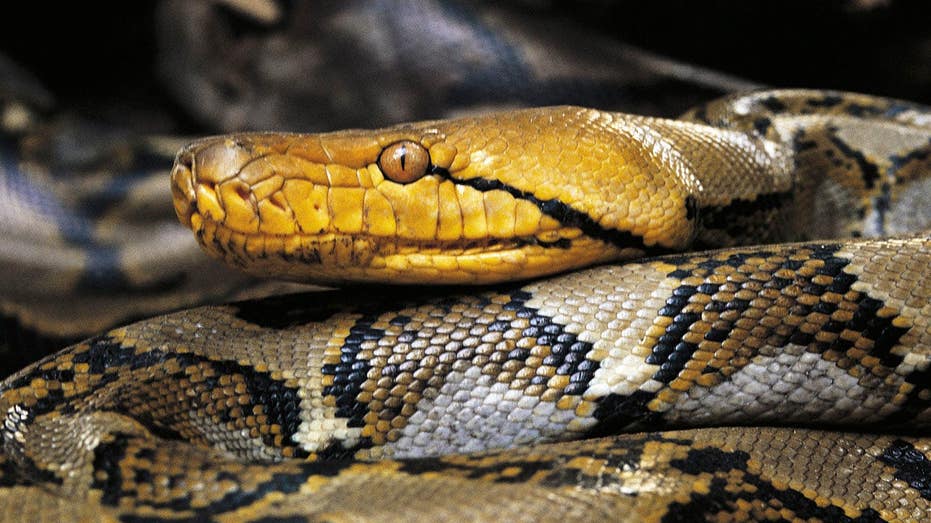
Puerto Rico's Largest Python, 18 Feet, Snagged After Strangling Cat
Python hunters captured Puerto Rico's largest recorded reticulated python, an 18-foot invasive specimen, after it killed a pet cat.
An 18-foot reticulated python, the largest ever recorded in Puerto Rico, has been captured by specialized hunters following an incident where the invasive reptile was found strangling a pet cat. The massive snake was tracked and apprehended in the dense jungle terrain of the island.
The capture marks a significant event in the ongoing efforts to control the invasive python population that has become a growing concern in Puerto Rico. These non-native constrictors pose a threat to native wildlife and ecosystems, and their increasing numbers have prompted dedicated hunting initiatives.
Kevin Pavlidis, along with his organization Proyectos Retic, led the operation to track down the colossal python. The hunters successfully located and subdued the snake after it was observed in the act of killing a domestic pet, highlighting the immediate danger these predators can pose to household animals.
The capture of such a large specimen underscores the scale of the invasive species problem in Puerto Rico. Experts have long warned about the ecological damage these snakes can inflict, preying on native birds, mammals, and reptiles, disrupting the delicate balance of the island's natural habitats.
Reticulated pythons are not native to Puerto Rico and are believed to have been introduced to the island through the exotic pet trade. Once established, their adaptability and lack of natural predators have allowed their populations to grow unchecked in certain areas.
Efforts to manage the python population involve a combination of public awareness campaigns, habitat monitoring, and professional hunting programs. The success of these programs is crucial for the conservation of Puerto Rico's unique biodiversity.
While this particular python was a record-breaker in size, the capture serves as a reminder of the persistent challenge faced by wildlife officials and conservationists. Continued vigilance and intervention are necessary to mitigate the impact of invasive species.
Further research and monitoring will be essential to assess the long-term effectiveness of these control measures and to adapt strategies as needed to protect Puerto Rico's native wildlife from further threats.
This article was written by AI based on publicly available news reporting. Original reporting by the linked source.