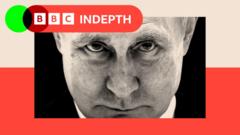
Putin Masters Visuals: From KGB Agent to Authoritarian Leader
Vladimir Putin skillfully used television to transform his image and consolidate power in Russia, becoming a master of visual propaganda.
Throughout his tenure as Russian President, Vladimir Putin has demonstrated a keen awareness of the power of visual imagery, meticulously crafting his public persona. An anecdote from his first interview with Bridget Kendall in 2001, where an aide removed water glasses to avoid any association with vodka or the risk of spills on live television, highlights this early emphasis on controlling the visual narrative. This attention to detail underscored a broader understanding that television was a "nuclear bomb" in terms of publicity, a fact widely recognized by those seeking to consolidate power in Russia.
Putin's rise to power transformed Russia from a nascent democracy into a more authoritarian state, with his image evolving significantly. Early photographs depict him as a reserved and camera-shy figure, a stark contrast to the commanding presence he projects today. This transformation from a seemingly quiet bureaucrat into a leader who avidly embraced the limelight is a testament to a deliberate and sustained effort in image management.
His fascination with the power of visual representation predates his presidency. Growing up in the television age of the 1960s and 70s, Putin was influenced by Soviet TV series and films featuring strong, silent spy heroes. These characters, who combatted enemies of the state, reportedly inspired his decision to join the KGB. While he largely avoided the spotlight during his KGB career and subsequent bureaucratic roles, his ascent to acting president in 1999 and then elected president marked a pivotal moment where he and his advisors strategically leveraged visual media.
Part of this image-making process involved carefully editing aspects of his life that might be perceived negatively. For instance, Putin cultivated an image of teetotalism, often seen with only a cup of tea with honey at international policy meetings while foreign experts were served wine. This presentation contrasted sharply with Russia's prevalent drinking culture and served to project an image of discipline and control.
When Putin did consume alcohol, his handlers would attempt to keep these occasions private. One account from a museum custodian described sharing Russian pancakes and drinks with the president, an event that was kept out of public view. This discretion further reinforced the carefully constructed image of sobriety that was presented to the Russian public and the world.
The strategic use of visual media extended to carefully staged public appearances. Putin has been photographed in various athletic and adventurous settings, such as riding horses bare-chested, swimming in icy waters, or engaging in martial arts. These images were designed to portray him as strong, virile, and capable, resonating with a desire for decisive leadership.
Political analyst Peter Pomerantsev noted that "Everybody in Russia, but especially Putin, realised that TV was the key to the consolidation of power." This sentiment underscores the fundamental role that visual communication played in solidifying Putin's authority and shaping public perception over his many years in leadership.
The long-term implications of this masterful control over his image have been profound, contributing to his enduring popularity within Russia and his international recognition as a formidable political figure. The consistent projection of strength and control has been a cornerstone of his political strategy.
This article was written by AI based on publicly available news reporting. Original reporting by the linked source.