Queen Elizabeth II backed Prince Andrew for UK trade envoy role, files reveal
Newly released files show Queen Elizabeth II strongly supported Prince Andrew's appointment as a UK trade envoy in 2000.
Queen Elizabeth II was "very keen" for her son, Prince Andrew, to be appointed as a UK trade envoy in 2000, according to newly released government files. The documents, which pertain to the former Duke of York's role as a special representative for international trade and investment, were disclosed in response to a parliamentary request.
The request for the papers was made by Sir Ed Davey, leader of the Liberal Democrats, just days after Prince Andrew was arrested on suspicion of misconduct in public office related to alleged sharing of confidential material with Jeffrey Epstein. He has consistently denied any wrongdoing and stated he did not profit from his trade envoy position.
One memo from February 2000, addressed to then-foreign secretary Robin Cook from Sir David Wright, then-chief executive of British Trade International, stated that the Queen desired her son to "take on a prominent role in the promotion of national interests." Prince Andrew served in the trade envoy capacity from 2001 until 2011.
Further details emerged from a letter dated January 25, 2000, written by British diplomat Kathryn Colvin. The letter, which appears to summarize notes from a meeting with Prince Andrew's then-private secretary, Captain Neil Blair, outlined the Duke of York's strengths. It noted his particular aptitude for "high-tech matters, trade, youth (including primary schools and outward bound projects), cultural events, with a preference for ballet rather than theatre, the Commonwealth and military and foreign affairs."
The same letter also conveyed a specific request from Captain Blair: that Prince Andrew "should not be offered golfing functions abroad." This was specified as a private activity, and the concern was that if he brought his golf clubs, he might engage in the sport in a non-public capacity. This detail suggests careful management of the Duke's public engagements and image.
An internal telegram to staff at British Trade International, an organization established to foster trade, confirmed Prince Andrew's appointment as a special representative. The release of these files sheds light on the royal family's involvement in promoting national economic interests and the specific efforts made to secure a prominent role for Prince Andrew.
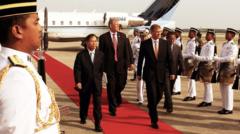
Prince Andrew's tenure as trade envoy saw him visit numerous countries to champion British business and investment. His activities during this period have come under scrutiny in light of his later association with Jeffrey Epstein. The newly released documents do not directly address these associations but focus on the establishment and nature of his trade envoy role.
The files indicate a clear desire from the highest levels of the monarchy for Prince Andrew to engage in international trade promotion. The preference for "more sophisticated countries" noted in one letter suggests a strategic approach to his assignments, aiming to leverage his profile in key global markets.
This article was written by AI based on publicly available news reporting. Original reporting by the linked source.