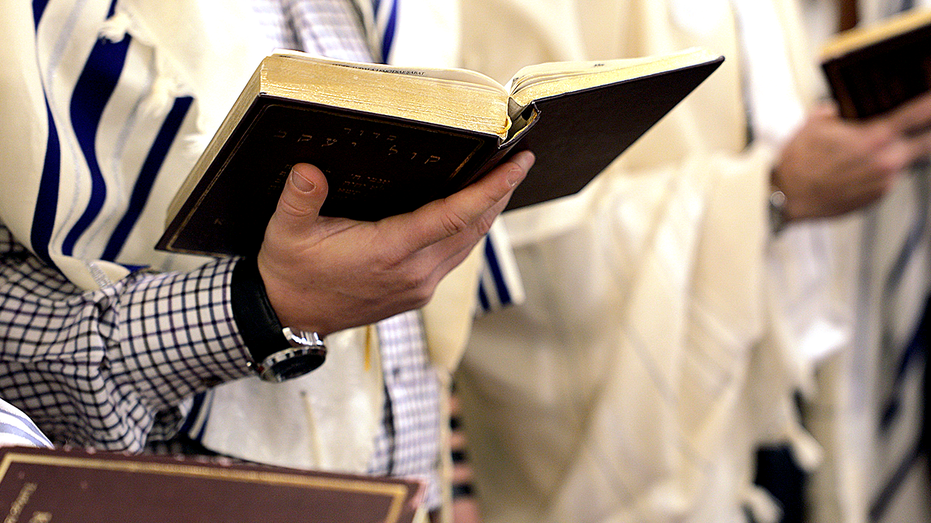
Rabbi Fined for Home Prayer Meetings, Lawsuit Demands Irvine Halt Fines
An Orthodox Jewish rabbi faced fines for home worship, prompting a legal challenge over religious freedom in Irvine, California.
A legal battle has erupted in Irvine, California, where an Orthodox Jewish rabbi has been subjected to fines for hosting prayer meetings in his home. The First Liberty Institute, representing the rabbi, has formally demanded that the city cease these fines, alleging violations of religious freedom and the Religious Land Use and Institutionalized Persons Act (RLUIPA).
The core of the dispute centers on the city's enforcement actions against the rabbi for conducting religious services within his private residence. These gatherings, described as prayer meetings, have reportedly incurred financial penalties from the city, leading to the current legal intervention.
First Liberty Institute argues that the fines imposed by Irvine are discriminatory and infringe upon the rabbi's fundamental right to practice his faith freely. The organization cited RLUIPA, a federal law designed to protect religious exercise from significant burdens imposed by land use regulations and government actions.
This case raises significant questions about the extent to which local governments can regulate religious activities conducted in private homes. The outcome could set a precedent for how cities handle similar situations involving religious gatherings and zoning or occupancy laws.
According to First Liberty Institute, the fines are not only a burden on the rabbi but also represent an overreach of municipal authority. The organization contends that the city has not provided sufficient justification for prohibiting or penalizing these private religious meetings.
Experts in religious freedom law suggest that RLUIPA provides strong protections for religious institutions and individuals against land-use regulations that substantially burden their religious exercise, especially when compared to the treatment of non-religious activities. The argument often hinges on whether the government action treats religious exercise on less than equal terms than non-religious exercise or whether it imposes a substantial burden on religious exercise.
While the specific details of Irvine's ordinances and the exact nature of the fines have not been fully disclosed, the legal challenge signals a growing tension between municipal regulatory power and the constitutional rights of religious adherents.
The First Liberty Institute's demand letter serves as a precursor to potential litigation if the city does not comply. The organization is seeking an immediate cessation of the fines and a commitment from Irvine to respect the rabbi's religious freedom.
This article was written by AI based on publicly available news reporting. Original reporting by the linked source.