Reeves Urges Incoming PM Burnham: Govern With a 'Worked-Through Plan'
Outgoing Chancellor Rachel Reeves advises incoming PM Andy Burnham to arrive in Downing Street with a clear, prepared plan for governing.
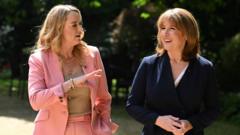
Outgoing Chancellor Rachel Reeves has cautioned the incoming prime minister, Andy Burnham, to be thoroughly prepared for governance upon his arrival at Downing Street in just over a week. In a significant interview with the BBC's Laura Kuenssberg, Reeves emphasized the critical need for a "worked-through plan," stating, "governing is hard in Britain, and lots of challenges and shocks will come his way."
Reeves' remarks come as the current administration prepares to hand over power, highlighting the immense responsibilities and potential difficulties awaiting the new leadership. Her advice underscores the complex realities of national leadership and the importance of strategic readiness from the outset.
Speaking from the same 17th-century state rooms in Downing Street where she began her tenure, Reeves conveyed that Burnham and his team must be "really clear about what they want to achieve." She urged the incoming prime minister to "stay laser-focused on those things that have always motivated him, have always driven him." The outgoing chancellor also acknowledged public impatience for change, stating, "People are impatient for change - I'm impatient for change and I totally get that people want to see their lives changed faster."
Reeves asserted that she is leaving the economy in a stronger position than she inherited it from the Conservatives two years ago. She pointed to a reduction in government borrowing costs, a significant decrease in inflation from its peak, and increased investment in infrastructure as indicators of progress. The economy, she noted, is now growing faster than that of the UK's nearest competitors.
However, the economic picture presented by Reeves is not without its challenges. Inflation remains above the target rate and is forecast to increase, while economic growth has been sluggish. The Bank of England recently issued a warning that interest rates may need to rise again. Furthermore, national debt is projected to be higher at the end of the current parliamentary term than when Labour first took office.
Despite the chancellor's claims of economic improvement, the spending power of families and businesses continues to face pressure, with recent Office for National Statistics figures indicating a fall in disposable income. This mixed economic landscape presents a formidable backdrop for the incoming government.
Sources suggest that Reeves had anticipated a quicker economic uplift, allowing her to claim credit. However, the reality of tight public finances, rising welfare costs, and a low-growth economy has reportedly diminished her political capital, hindering her ability to push through significant reforms, such as those related to welfare.
Reeves did not explicitly name her potential successor as chancellor or indicate whether she wishes to continue in the role, having previously described it as her "dream job." The uncertainty surrounding the composition of the new Downing Street team adds another layer of complexity to the transition of power.
This article was written by AI based on publicly available news reporting. Original reporting by the linked source.