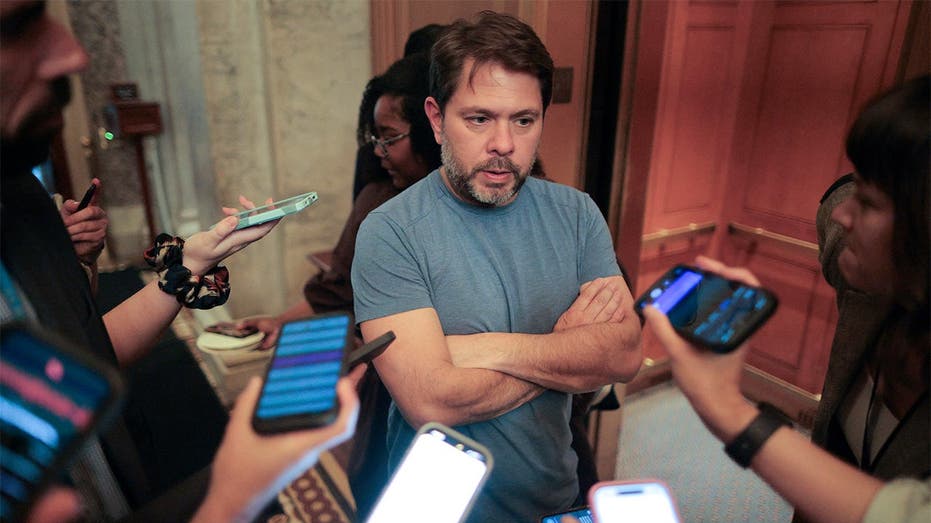
Rep. Crank Bill Aims to Restrict Sex Between Lawmakers and Staff
A new bill introduced by Rep. Jeff Crank seeks to prevent sexual relationships between members of Congress and their staff amid ongoing scandals.
A legislative effort is underway to curb relationships between members of Congress and their staff, prompted by a series of scandals that have rocked Capitol Hill. Representative Jeff Crank has introduced a bill designed to restrict such relationships, aiming to draw a clearer line regarding conduct within the legislative branch.
The move comes as public and internal scrutiny intensifies over the ethical implications of romantic or sexual liaisons between elected officials and individuals employed by their offices. These relationships have historically led to accusations of impropriety, conflicts of interest, and the potential for abuse of power, undermining public trust in government.
Details of Rep. Crank's proposed legislation indicate it would establish new rules and potentially enforcement mechanisms to govern interactions between lawmakers and their employees. The bill seeks to address concerns that these relationships can compromise the integrity of congressional operations and create an uncomfortable or hostile environment for other staff members.
This legislative push could have significant implications for workplace dynamics in Congress, potentially leading to stricter codes of conduct and increased accountability for members. It reflects a broader societal conversation about professional boundaries and ethical standards in positions of power.
Past incidents involving members of Congress and their staff have periodically surfaced, leading to calls for reform. These situations have often been complex, involving questions of consent, power imbalances, and the use of taxpayer-funded resources. The current climate, marked by heightened awareness of workplace misconduct across various sectors, appears to have provided renewed impetus for legislative action.
Advocates for the bill argue that clear regulations are necessary to protect the institution and its employees. They contend that without explicit rules, the potential for exploitation and ethical breaches remains high, even if relationships are consensual. The goal, they state, is to foster a professional and respectful environment that prioritizes public service.
Opponents or skeptics of such legislation might raise concerns about the extent to which personal relationships can or should be regulated within the professional sphere. Questions may arise about the enforceability of such rules and the potential for unintended consequences, such as creating a chilling effect on legitimate professional associations.
As the bill moves through the legislative process, it is expected to face debate and potentially amendments. Its passage would signify a notable shift in the ethical landscape of Capitol Hill, establishing a more defined boundary to address a persistent issue that has, at times, cast a shadow over congressional proceedings.
This article was written by AI based on publicly available news reporting. Original reporting by the linked source.