Wealthier Nations Hit Hardest by Devastating Wildfires Despite Lower Global Burned Area
Wildfires ravaged richer nations in 2025, causing significant destruction, even as global land area burned decreased.
In 2025, wealthier regions worldwide experienced devastating wildfires, including "megafires" in California, Canada, South Korea, and Europe, despite a global decrease in the total land area consumed by flames. The study revealed that while 335 million hectares burned – the second-lowest figure since 2002 – the impact was disproportionately concentrated in affluent areas, leading to significant loss of life, homes, and livelihoods.
The study, led by climate scientist Matthew Jones of the University of East Anglia, highlights a growing divergence between the total area affected by wildfires and their real-world consequences. "2025 shows that a 'quiet' fire year globally can still be devastating," Jones stated, emphasizing the intensified danger at the wildland-urban interface where human populations are most vulnerable.
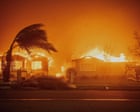
Key events included a "megafire" in Scotland that torched over 100,000 hectares, contributing to the UK's record burned area. In the United States, the Palisades and Eaton fires in Los Angeles were among the most destructive in the nation's history. Spain and Portugal faced record-breaking blazes, scorching over half a million hectares combined, while South Korea endured its most severe and deadliest wildfire season.
These infernos had a substantial economic impact, accounting for over 38% of insured losses from weather-related disasters in 2025. The findings suggest that while changes in land use, such as the expansion of farms in parts of Africa, have helped fragment landscapes and slow the spread of savannah fires, thus reducing the overall global burned area, the underlying drivers of extreme fire behavior remain potent.
Researchers attribute the increased intensity and destructive potential of these fires to a combination of factors. Changes in land use, historically, have led to less of the planet being historically prone to large-scale burning. However, global heating is creating conditions that allow fires to spread more rapidly and intensely, particularly when they reach populated areas.
Adverse weather conditions, exacerbated by carbon pollution, played a critical role in transforming some 2025 fires into explosive infernos. In southern California and South Korea, researchers observed that high winds coupled with dry vegetation propelled fires through densely populated regions, amplifying their destructive capacity.
The expansion of agriculture in Africa, specifically the fragmentation of landscapes, is cited as a major reason for the decrease in the total global hectares burned. This change in land use has created more barriers to the spread of large savannah fires, contributing to the lower overall figures.
Despite the decrease in total area burned, the study underscores the escalating threat posed by wildfires to human settlements and infrastructure. The concentration of "megafires" in developed nations raises questions about preparedness, urban planning, and the long-term economic and social resilience of communities in the face of increasingly volatile fire seasons.
This article was written by AI based on publicly available news reporting. Original reporting by the linked source.