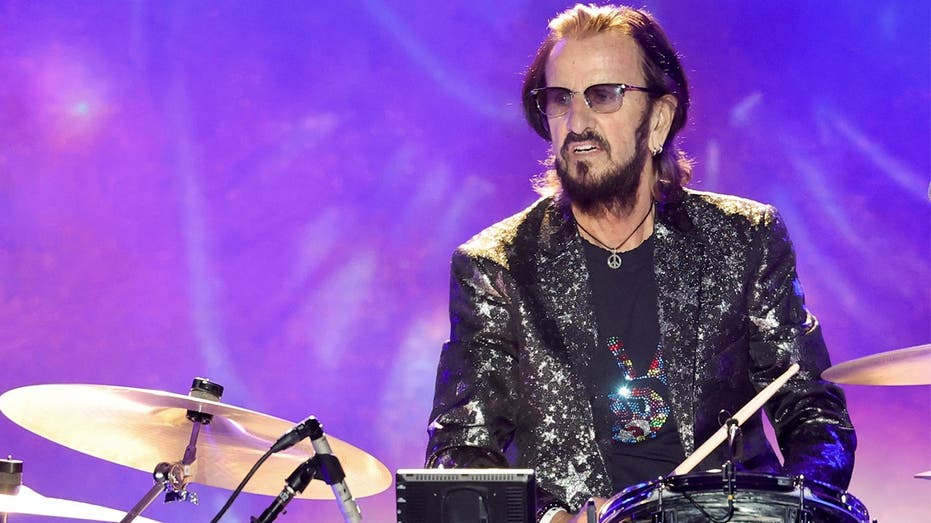
Ringo Starr, 86, Rocks DC, Sparking Debate on Beatles' Enduring Appeal
Ringo Starr's recent performance in Washington D.C. reignites discussions about the Beatles' lasting cultural impact decades after their split.
Ringo Starr, the legendary drummer of The Beatles, recently performed in Washington D.C. at the age of 86, drawing attention and prompting reflection on the enduring legacy of his former band.
Despite the Beatles having disbanded over six decades ago, their music and cultural influence continue to resonate globally. Starr's continued public performances and the sustained interest in the band's history highlight a unique phenomenon in popular culture.
The concert in the nation's capital served as a backdrop for renewed conversations about why the music and mystique of The Beatles remain so potent for new generations. Fans and critics alike ponder the factors that contribute to this sustained fascination.
This enduring appeal raises questions about the nature of musical legacy and the impact of groundbreaking artistry. The Beatles' innovation in songwriting, production, and cultural commentary set a precedent that continues to be studied and admired.
Experts suggest that the band's ability to evolve their sound while maintaining a distinct identity allowed their music to transcend its original era. Their themes of love, peace, and social commentary, while rooted in the 1960s, often possess a timeless quality.
Furthermore, the sheer volume of their catalog, coupled with extensive documentation of their career through films, books, and documentaries, provides a rich narrative that keeps the band in the public consciousness. The story of their rise, internal dynamics, and eventual breakup adds a compelling human element to their artistic achievements.
Comparisons are often drawn to other artists or bands whose popularity waned significantly after their active years. The Beatles, however, appear to occupy a unique position, with their music consistently finding new audiences through streaming services, media placements, and the influence they have had on subsequent musicians.
The continued relevance of The Beatles, exemplified by events like Ringo Starr's recent performance, invites ongoing analysis into the mechanisms of cultural longevity and the power of music to connect across generations.
This article was written by AI based on publicly available news reporting. Original reporting by the linked source.