Rockies Player Benched After Flipping Off Braves Fans, Caught on Video
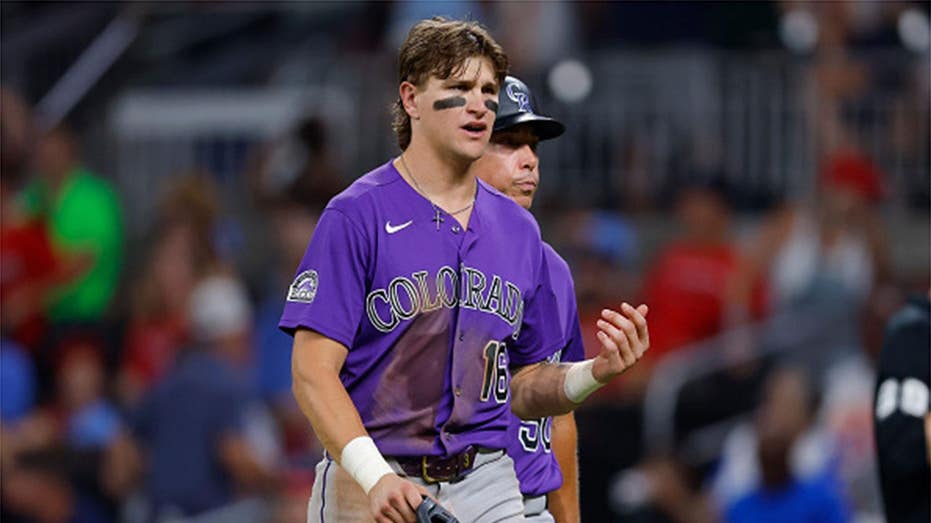
Colorado Rockies player Michael Harris II was benched after a video showed him giving the middle finger to Atlanta Braves fans.
Colorado Rockies player Michael Harris II has been benched following an incident where he was captured on video making an offensive gesture towards Atlanta Braves fans. The incident occurred during a recent game, and video footage quickly circulated on social media, drawing significant attention.
Rockies manager Warren Schaeffer addressed the situation, expressing disappointment and labeling the player's actions as "an embarrassment to the organization." The decision to bench Harris II reflects the team's stance on player conduct and the importance of maintaining professional behavior, especially in front of opposing fan bases.
The video appears to show Harris II reacting to taunts from the crowd by extending his middle finger. While the exact context leading up to the gesture is not fully detailed, the visual evidence led to swift disciplinary action from the team's management.
This incident raises questions about player-fan interactions and the role of social media in broadcasting such moments. The quick dissemination of the video highlights the constant scrutiny professional athletes face and the potential consequences of their actions, even those occurring away from the direct play on the field.
While the source material does not specify the exact game date or the outcome of the game in which the incident occurred, it confirms that Harris II is a player for the Colorado Rockies and was on the field interacting with Braves fans. The team's decision to bench him indicates a zero-tolerance policy for unsportsmanlike conduct.
Manager Schaeffer's comments underscore the team's commitment to its reputation and the respect it owes to fans and the league. The benched player's future with the team, beyond this immediate disciplinary measure, remains to be seen, but the incident will likely be a point of discussion for the Rockies' coaching staff.
Further details regarding the duration of the benching or any other potential team-imposed sanctions were not immediately available. The focus for the Rockies will now shift to managing the fallout from this incident and ensuring such behavior is not repeated.
The incident serves as a reminder of the pressures and temptations athletes face when interacting with hostile crowds, and the high visibility that can amplify mistakes into public spectacles.
This article was written by AI based on publicly available news reporting. Original reporting by the linked source.