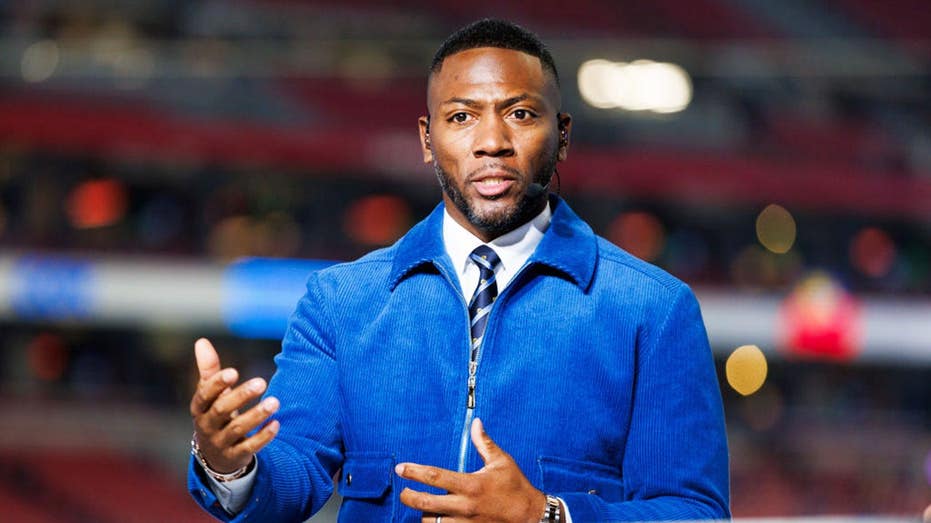
Roddy White: Ryan Clark's outspokenness may have cost him ESPN job
Retired NFL player Roddy White believes Ryan Clark's outspoken nature contributed to his departure from ESPN.
Retired NFL standout Roddy White has suggested that Ryan Clark's outspoken commentary may have played a role in his exit from ESPN. Clark, who joined the network in 2015 and became a prominent voice on its NFL coverage, recently departed from his role.
White, a former NFL Pro Bowl wide receiver, voiced his opinion on the matter, implying that Clark's willingness to speak his mind on various issues, potentially including controversial topics, could have led to friction with the network. While ESPN has not publicly detailed the reasons for Clark's departure, White's comments offer a perspective from a fellow former player in the sports media landscape.
Clark has been known for his candid takes on NFL players, team dynamics, and broader social issues, often engaging in robust debates on ESPN's platforms. This outspokenness, while a hallmark of his broadcasting style, may have also put him at odds with network executives or their content guidelines.
The departure of prominent figures from major sports networks often sparks speculation about the underlying causes. White's suggestion points to a potential correlation between Clark's vocal personality and the network's decision, highlighting the delicate balance between personality-driven commentary and corporate messaging in sports broadcasting.
Clark's tenure at ESPN saw him evolve from an analyst to a key commentator, often appearing on shows like "NFL Live" and "Get Up." His insights and willingness to challenge conventional sports narratives made him a recognizable figure for viewers.
White's commentary comes at a time when sports personalities are increasingly expected to offer more than just game analysis, often engaging with cultural and social topics. This trend can sometimes lead to increased scrutiny from both audiences and employers.
It remains unclear whether Clark's departure was solely related to his commentary or if other factors were involved. However, White's perspective adds a layer of consideration to the ongoing discussions surrounding the dynamics between sports commentators and their media employers.
As the sports media industry continues to evolve, the relationship between an analyst's public persona and their professional standing remains a subject of considerable interest and debate.
This article was written by AI based on publicly available news reporting. Original reporting by the linked source.