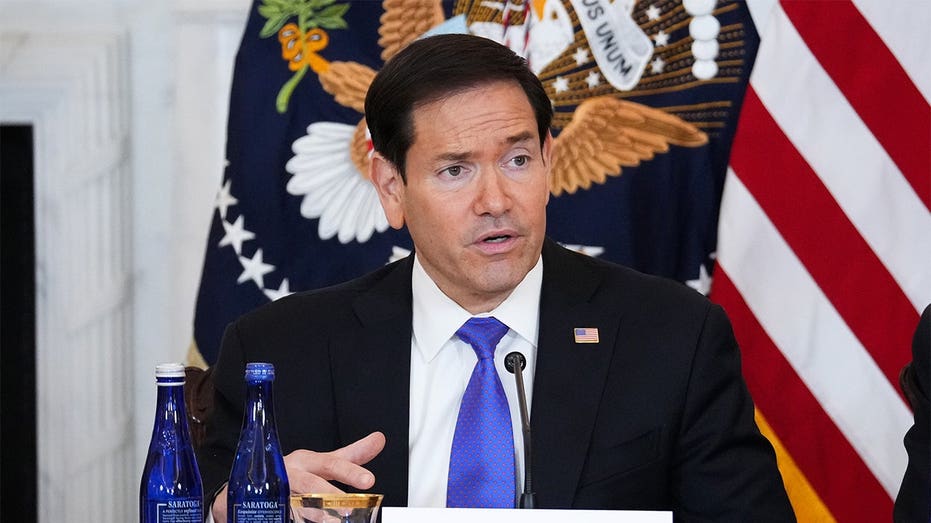
Rubio: Trump Would Address Nation on UAP If Administration Knew More
Senator Marco Rubio stated that former President Trump would publicly address the nation on UAP matters if his administration possessed significant new information.
Senator Marco Rubio suggested that former President Donald Trump would deliver a primetime address to the nation if his administration had discovered substantial new information regarding Unidentified Aerial Phenomena (UAP).
Rubio, who has been a prominent voice in Congress advocating for greater transparency and investigation into UAP, made these remarks in response to ongoing discussions about potential government cover-ups concerning the phenomena. The senator has consistently pushed for declassification and a more serious governmental approach to understanding UAP.
During a recent public discussion, Rubio elaborated on his belief that if the Trump administration had possessed definitive knowledge or evidence of a significant cover-up, the former president, known for his direct communication style, would have likely informed the public. This perspective implies that the absence of such a high-profile disclosure during Trump's term might indicate a lack of conclusive, game-changing revelations at that time.
The implications of Rubio's statement extend to the current administration's handling of UAP information. It raises questions about what knowledge, if any, has been uncovered and whether the current leadership would follow a similar path of public disclosure under comparable circumstances.
Rubio's comments come amid a period of increased public and governmental interest in UAP, fueled by declassified reports, pilot testimonies, and congressional hearings. For years, allegations of government secrecy surrounding unexplained aerial sightings have persisted, prompting calls for greater openness.
Past administrations have faced scrutiny over their handling of UAP information, with critics often pointing to a lack of transparency. Rubio's remarks offer a hypothetical scenario, suggesting that a President Trump would have prioritized informing the public if credible, actionable intelligence regarding UAP had been available.
This perspective also touches upon the broader debate about national security and the potential implications of UAP sightings. Lawmakers and intelligence officials have expressed concerns that some UAP could represent advanced technologies from adversarial nations or pose unknown risks.
The ongoing dialogue, including Rubio's latest comments, underscores the public's desire for clarity on a topic that has long been shrouded in mystery and speculation. The question of what governments know, and what they choose to reveal, remains a central point of contention.
This article was written by AI based on publicly available news reporting. Original reporting by the linked source.