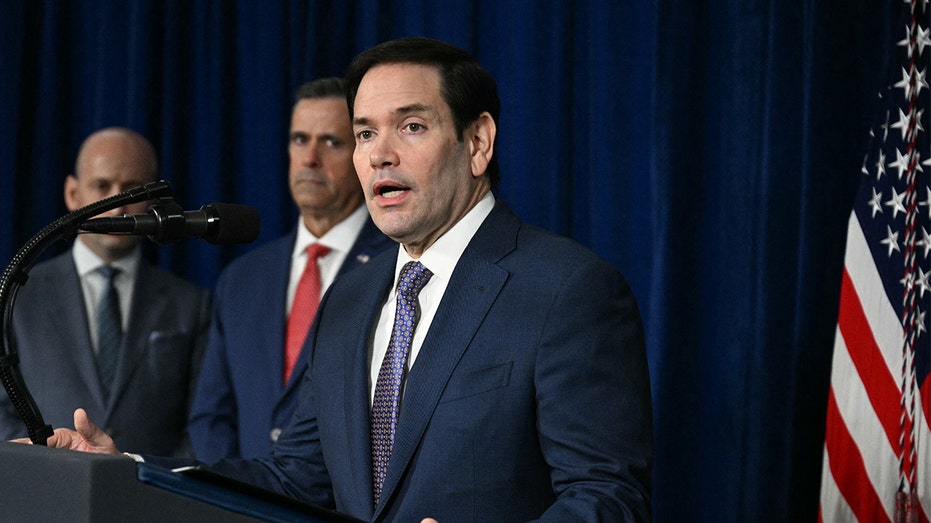
Rubio Urges Cubans to Partner with CIA for Political Change on Island
Senator Marco Rubio is encouraging Cubans to collaborate with the CIA to foster political transformation within their communist-governed nation.
Senator Marco Rubio has publicly called on Cuban citizens to work with the Central Intelligence Agency (CIA) in an effort to bring about political change on the communist-run island.
Rubio, a prominent voice on foreign policy and a vocal critic of the Cuban government, stated his belief that such partnerships could be instrumental in challenging the existing political structure and advocating for democratic reforms. The senator's remarks suggest a strategy that involves leveraging internal support within Cuba to effect external policy shifts and promote a transition away from the current regime.
While specific details of how this collaboration would function were not elaborated, Rubio's appeal implies a call for intelligence sharing and covert support. The senator has consistently advocated for increased pressure on the Cuban government, citing human rights concerns and the lack of political freedom for its citizens. His latest proposition appears to be an extension of these long-held positions, aiming to empower the Cuban people from within.
The implications of such a call are significant, potentially escalating tensions between the United States and Cuba. It also raises questions about the nature of U.S. foreign policy engagement and the methods deemed acceptable for promoting democratic change in other nations.
Historically, the U.S. has engaged in various forms of covert operations and support for opposition movements in countries deemed adversaries. However, direct public encouragement for citizens to partner with the CIA is a less common approach, particularly in the current geopolitical climate. The effectiveness and ethical considerations of such a strategy are likely to be subjects of debate among policymakers and international relations experts.
Reactions from the Cuban government or official U.S. agencies, such as the CIA or the State Department, have not yet been detailed. The Cuban authorities have often accused the U.S. of attempting to destabilize their government through various means, and this call could be interpreted as further evidence of such intentions.
Rubio's stance aligns with a broader segment of the Cuban-American community and some U.S. policymakers who advocate for a more assertive approach to promoting democracy in Cuba. However, critics might argue that such overtures could be counterproductive, potentially leading to increased repression by the Cuban government or being perceived as foreign interference.
Further developments will likely depend on the response from individuals within Cuba and the official U.S. foreign policy apparatus. The long-term impact on U.S.-Cuba relations and the prospects for political change on the island remain uncertain.
This article was written by AI based on publicly available news reporting. Original reporting by the linked source.