Rushdie Testifies: Knife Missed Brain by Millimeter in Attack
Salman Rushdie described the brutal attack, testifying the knife narrowly missed his brain during his assailant's terrorism trial.
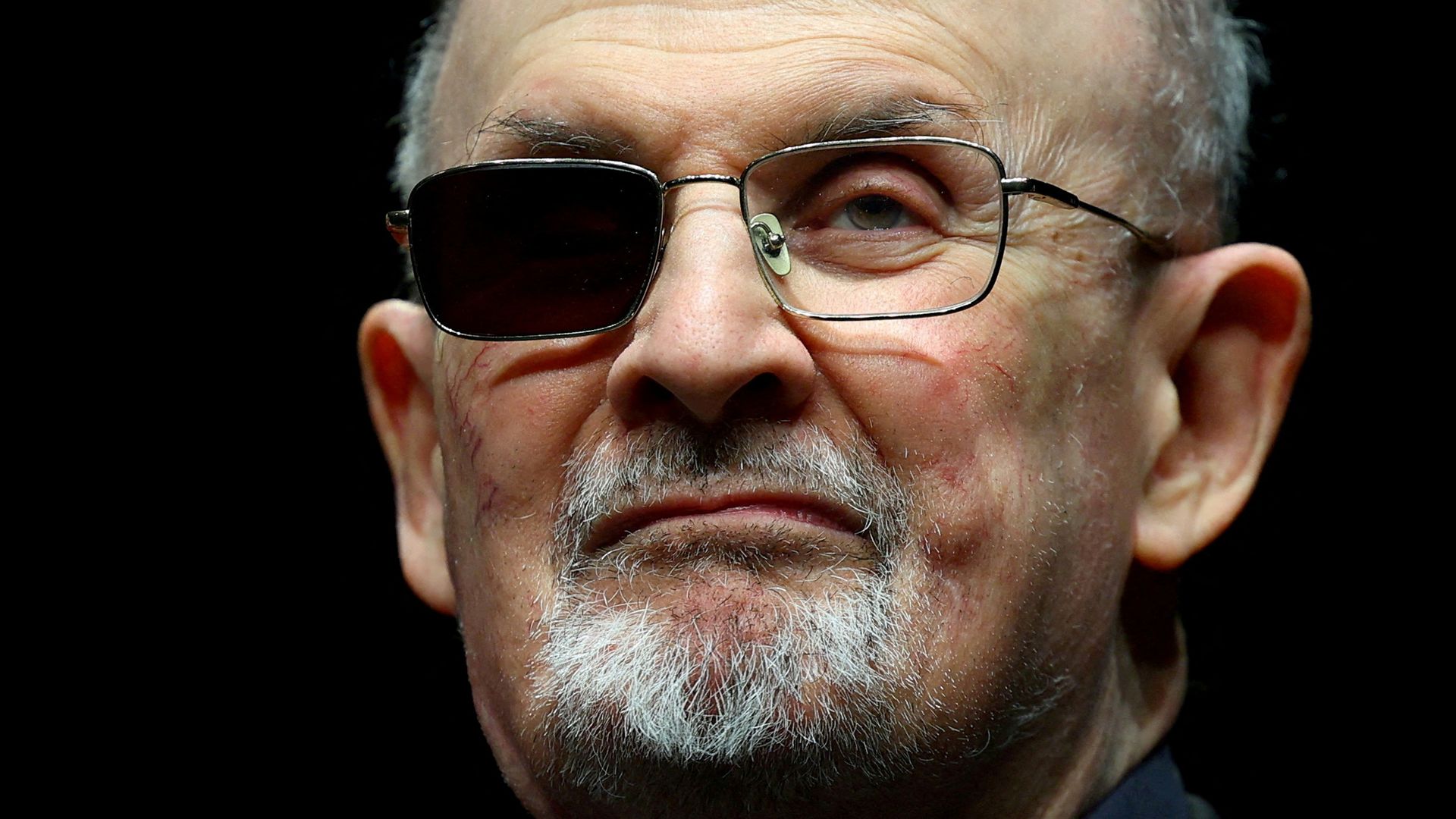
Sir Salman Rushdie took the stand Tuesday at the terrorism trial of Hadi Matar, the man convicted of attempting to assassinate the acclaimed author. Rushdie, appearing publicly for the first time since the August 2022 attack, recounted the harrowing moments of the assault, detailing how the knife came "a millimeter from my brain."
The author described the terrifying experience to the jury in Newark, New Jersey, where he was set to deliver a lecture before Matar rushed the stage. Rushdie's testimony is a pivotal moment in the trial, as prosecutors aim to prove Matar's motive was rooted in extremist ideologies, classifying the act as terrorism.
Rushdie, who has spent decades living in hiding following the 1989 fatwa issued against him for his novel "The Satanic Verses," explained the physical and psychological impact of the stabbing. He detailed the multiple stab wounds he sustained, including to his neck and abdomen, and the severe injuries that have required extensive medical treatment and rehabilitation.
The trial is expected to delve into Matar's alleged motivations, with prosecutors likely to present evidence linking him to radical Islamic beliefs and online content that may have inspired the attack. The defense, meanwhile, is expected to challenge the terrorism aspect, potentially arguing the act was not politically motivated.
Matar, 26, has pleaded not guilty to the charges, which include attempted murder and assault. He faces potential decades in prison if convicted. The attack left Rushdie blind in one eye and with impaired use of his hands, forcing him to cancel public appearances and continue his recovery.
Rushdie's decision to testify underscores the gravity of the charges and his desire to see justice served. It marks a significant public return for the author, who has long been a symbol of free speech and a target of threats due to his writings.
Legal analysts suggest that Rushdie's firsthand account will be crucial in establishing Matar's intent for the jury. The prosecution's case will likely focus on proving that Matar deliberately targeted Rushdie because of his controversial work and the fatwa that followed.
The proceedings are being closely watched by civil liberties advocates and the literary community, who see the trial as a test of resilience against violence and extremism. The outcome could have broader implications for freedom of expression and the safety of writers and artists worldwide.
This article was written by AI based on publicly available news reporting. Original reporting by the linked source.