Russian Spy Plane Deploys Sonar Devices Near UK Aircraft Carrier
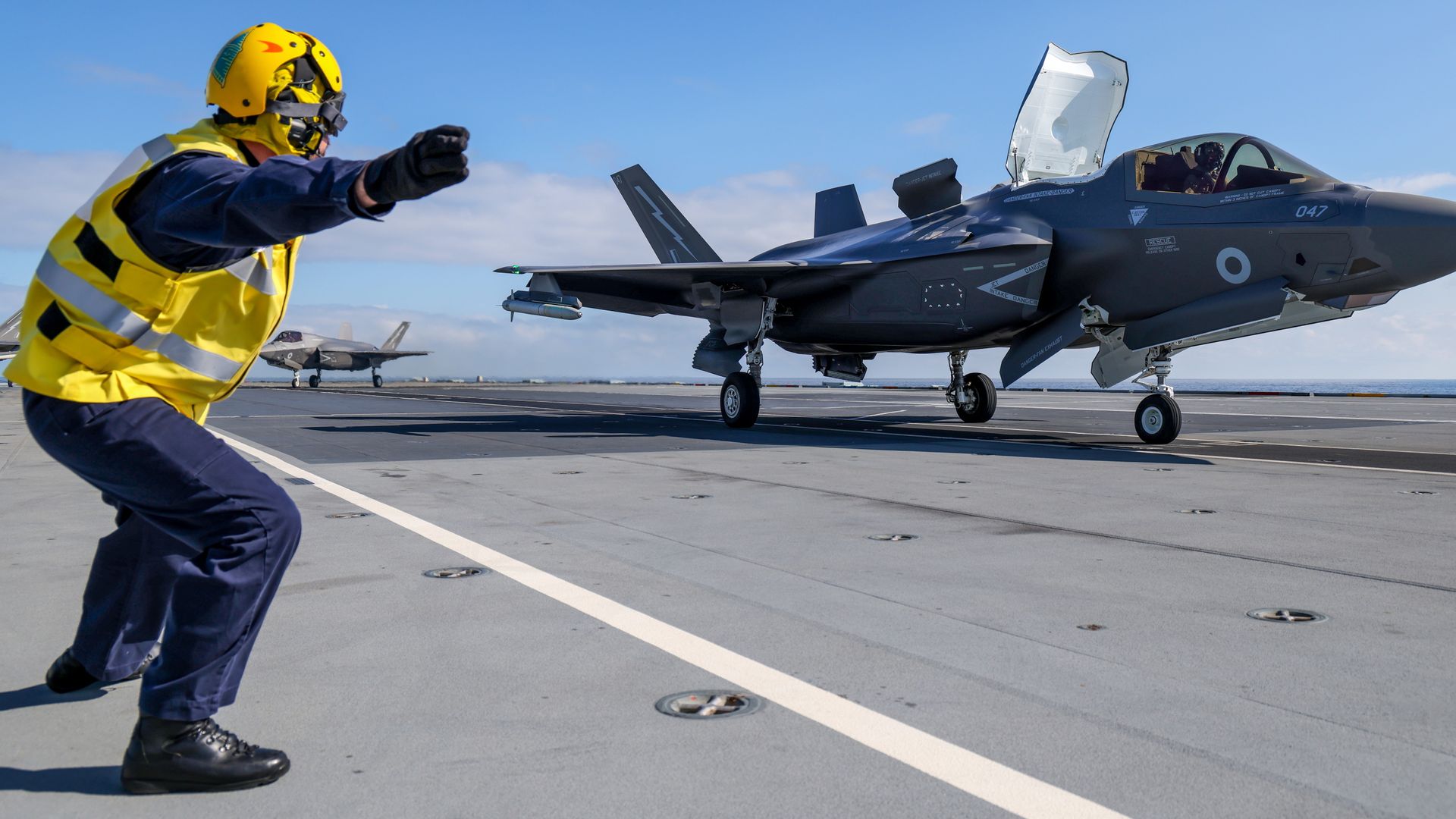
A Russian spy plane dropped sonar devices near the UK's flagship aircraft carrier, prompting a Royal Air Force fighter jet scramble.
A Russian spy plane deployed dozens of sonar devices in the operational path of the United Kingdom's flagship aircraft carrier, in what is suspected to be an act of harassment against the warship. The incident prompted the Royal Air Force (RAF) to scramble fighter jets in response.
The deployment of the sonar devices occurred in international waters, underscoring ongoing tensions between Russia and NATO forces. Such tactics, while not unheard of, represent a direct engagement with a high-value military asset and can be interpreted as a deliberate provocation.
Details indicate the Russian aircraft dropped a significant number of sonar devices, which are used for detecting submarines. The presence of these devices in the carrier's path could have potentially interfered with naval operations or provided intelligence to Russian forces. The RAF's response involved scrambling fighter jets to monitor the situation and ensure the safety of the British warship.
The implications of this event extend beyond a single naval encounter. It highlights the heightened military activity and potential for miscalculation in regions where Russian and Western forces operate in proximity. Experts suggest this could be part of a broader pattern of assertive Russian military posturing.
This incident is not an isolated event. Both Russia and NATO nations have increased their military presence and conducted more frequent exercises in contested areas, particularly in the Baltic Sea and the North Atlantic. These deployments are often characterized by close encounters and monitoring operations.
Naval analysts suggest that the dropping of sonar devices is a tactic that can be used to track submarines by creating a grid of acoustic sensors or to disrupt enemy sonar operations. The specific intent behind the Russian action remains subject to interpretation, but it clearly aimed to interact with the British carrier's operational environment.
While specific details regarding the type of Russian aircraft or the exact number of sonar devices deployed have not been officially released by the Ministry of Defence, the event has drawn attention to the need for robust air and maritime surveillance capabilities. The RAF's swift response demonstrates its readiness to protect national assets.
Further analysis will likely focus on the intelligence gathered by both sides during the encounter and the subsequent diplomatic or military responses. The incident serves as a reminder of the complex and often tense interactions occurring between major global powers in the maritime domain.
This article was written by AI based on publicly available news reporting. Original reporting by the linked source.