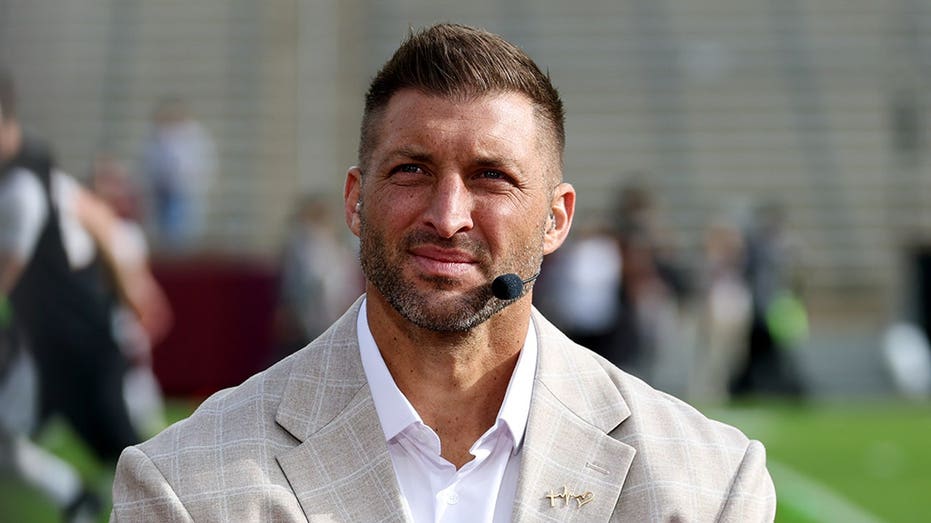
Saban, Tebow Express Concerns Over College Football Playoff Expansion to 24 Teams
Nick Saban and Tim Tebow shared reservations about the College Football Playoff's potential expansion, citing dilution of the regular season.
Legendary Alabama coach Nick Saban and former Heisman Trophy winner Tim Tebow have voiced their opinions on the proposed expansion of the College Football Playoff to 24 teams, with both expressing reservations about the move.
The discussion surrounding an expanded playoff format has gained traction, with a 24-team model being floated as a significant departure from the current 12-team structure. This potential shift aims to include more teams in the postseason, potentially increasing revenue and opportunities for a wider range of programs.
While specific details of their statements were not extensively elaborated upon in the provided material, both Saban and Tebow's concerns highlight a broader debate within college football. Tebow, in particular, is quoted as saying the expansion "dilutes the regular season that separates college football from the NFL," suggesting a worry that the increased number of playoff berths could diminish the significance of regular-season games.
The implications of such an expansion are far-reaching. Beyond the competitive balance and the value of regular-season contests, the financial aspects are also a major consideration. While the expansion is expected to generate more revenue, questions remain about how this "money behind it is not what some would call a 'win'" for all stakeholders.
This sentiment echoes past debates surrounding the growth of college sports. The increasing commercialization and the drive to "grow the game" often lead to discussions about preserving the traditional integrity of the sport. The shift from a four-team playoff to a twelve-team format already represented a significant change, and a move to 24 teams would represent an even more substantial alteration to the postseason landscape.
Fans and media personalities have also weighed in on the proposed changes. Conversations about playoff expansion are common, especially as the regular season unfolds and teams jockey for position. The potential for more teams to participate could lead to increased fan engagement, but it also raises questions about the meritocracy of the selection process and the potential for teams to reach the playoff without demonstrating consistent excellence.
Saban, known for his strategic approach and success, and Tebow, who has transitioned into a media personality, bring significant weight to these discussions. Their perspectives offer insight into how experienced figures in the sport view the evolution of its postseason structure.
As the College Football Playoff committee and stakeholders continue to deliberate on potential expansion, the opinions of prominent figures like Saban and Tebow will undoubtedly be part of the ongoing dialogue, balancing the desire for growth with concerns about the sport's core identity.
This article was written by AI based on publicly available news reporting. Original reporting by the linked source.