Sanders Defends Platner Amid Nazi Tattoo Scandal, Cites Billionaire Attacks
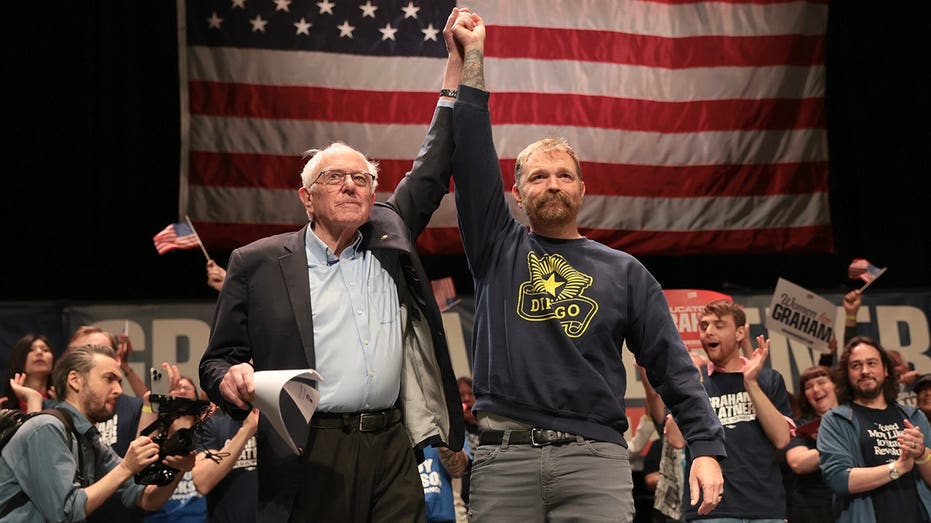
Senator Bernie Sanders backs Maine Senate candidate Graham Platner, claiming billionaires are manufacturing scandals, including one involving a Nazi-linked tattoo.
Senator Bernie Sanders has publicly defended Maine Senate candidate Graham Platner, asserting that the candidate possesses the "guts" to challenge wealthy interests, even as a series of scandals, including one involving a Nazi-linked tattoo, have emerged.
Sanders' intervention comes amid a contentious election cycle where the influence of money in politics remains a central theme. Platner, a Republican seeking to unseat incumbent independent Senator Angus King, has faced intense scrutiny over his past.
The most prominent scandal involves a photograph of Platner from his college days appearing to show him with a swastika tattoo. Platner has reportedly apologized for the tattoo, attributing it to a "stupid and immature" decision made during a time of heavy drinking. He has stated it does not reflect his current views and has apologized for any offense caused.
Senator Sanders, a vocal critic of wealth inequality and the influence of big money in politics, suggested that these controversies are being amplified by billionaires who oppose Platner's agenda. He implied that these wealthy individuals are attempting to derail Platner's campaign through manufactured scandals.
Platner's campaign has been marked by his alignment with conservative principles and his focus on issues such as fiscal responsibility and border security. His candidacy has drawn attention from both national Republican figures and progressive organizations, highlighting the high stakes of the race.
Critics, however, argue that the scandals, particularly the Nazi-linked imagery, are substantive and raise serious questions about Platner's judgment and fitness for office, regardless of the source of their amplification. They contend that voters have a right to consider all aspects of a candidate's history.
The situation in Maine's Senate race is emblematic of broader trends in American politics, where candidates' past actions and associations are frequently scrutinized, and the role of external funding in shaping electoral narratives is often debated. The outcome of this race could have significant implications for the balance of power in the Senate and the ongoing national conversation about political discourse.
As the election approaches, voters will be tasked with weighing Platner's policy positions and Sanders' defense against the gravity of the controversies that have surrounded his campaign.
This article was written by AI based on publicly available news reporting. Original reporting by the linked source.