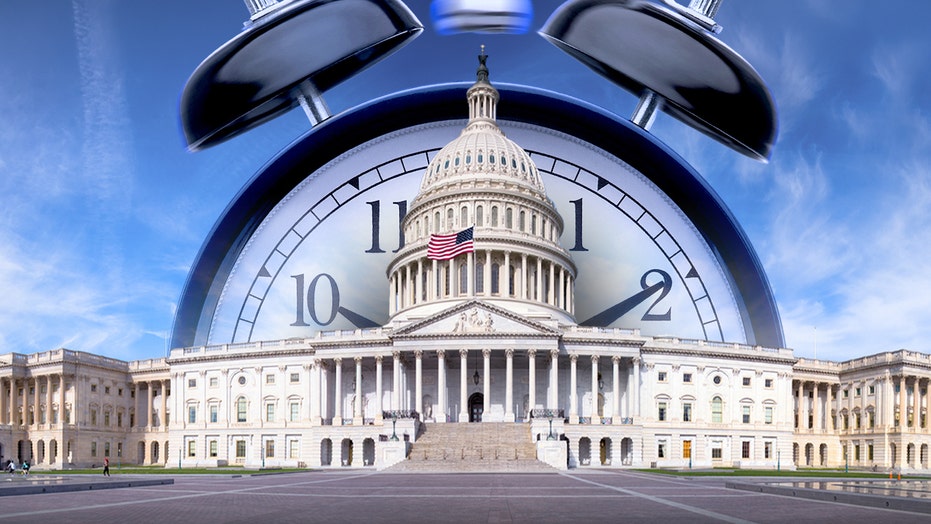
Senate Daylight Saving Time Bill Faces Uncertain Future Amidst Other Top Headlines
The Senate's progress on a Daylight Saving Time bill is now in jeopardy, alongside other significant national news impacting the US.
The fate of a bill that would make Daylight Saving Time permanent is currently uncertain as it navigates the U.S. Senate. The legislation, which has seen previous bipartisan support, now faces potential roadblocks that could derail its passage. This development comes amidst a broader landscape of pressing national issues being discussed and debated in Washington.
For years, the debate over Daylight Saving Time has resurfaced periodically, with proponents arguing for increased daylight hours in the evening, potentially boosting economic activity and reducing crime. Opponents, however, point to potential health concerns and disruptions to sleep patterns. The current bill aims to settle this long-standing discussion by making the twice-yearly clock change a thing of the past, but its journey through the legislative process has proven to be complex.
Details surrounding the specific legislative hurdles remain somewhat unclear, but sources indicate that procedural challenges or a lack of unified consensus within the Senate are contributing factors. The bill's potential demise highlights the difficulties in achieving widespread agreement on even seemingly straightforward policy changes in the current political climate.
The implications of the bill's uncertain future mean that Americans could continue to observe the practice of changing clocks twice a year for the foreseeable future. This outcome would leave the ongoing debate unresolved and potentially set the stage for further legislative attempts in the future. Experts have noted that such legislative delays can lead to public frustration and a sense of stagnation on issues that directly affect daily life.
Historically, the United States has experimented with year-round daylight saving time during periods of national crisis, such as World War II, with mixed results. The modern iteration of the debate gained significant traction in recent years, fueled by advocacy groups and public opinion polls suggesting a preference for permanent daylight saving time. However, the medical and scientific communities have also raised concerns about the potential negative health impacts of disrupting natural circadian rhythms.
Various stakeholders, including business groups and consumer advocates, have weighed in on the debate. Some industries believe that longer daylight hours in the evening could lead to increased consumer spending and outdoor activities. Conversely, agricultural groups have historically expressed concerns about the impact on farm labor and animal schedules. The differing perspectives underscore the multifaceted nature of the legislation.
Comparisons to similar legislative efforts in other countries or past attempts within the U.S. reveal a pattern of difficulty in enacting permanent changes to daylight saving time. Many nations have grappled with the issue, with some ultimately opting to maintain the existing system or revert to previous arrangements after initial trials. This suggests that the challenges faced by the Senate are not unique to the current legislative session.
As the situation develops, attention will remain on the Senate's ability to overcome the present obstacles and whether the Daylight Saving Time bill can be revived or if it will be shelved indefinitely. The outcome will not only affect how Americans observe time but also reflect the broader challenges of legislative consensus-building in a divided political landscape.
This article was written by AI based on publicly available news reporting. Original reporting by the linked source.