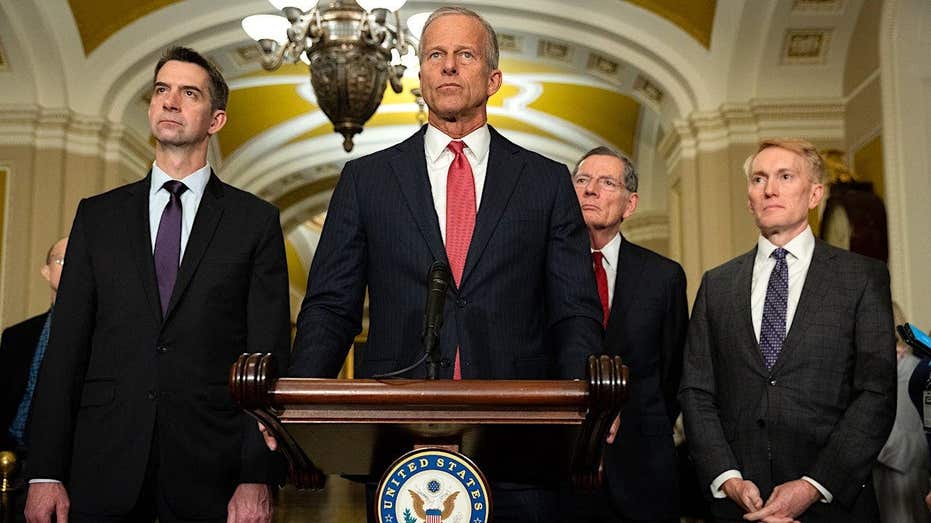
Senate Rejects War Powers Resolution, Handing Trump a Win on Iran
Republicans flipped their votes to block a Democratic resolution limiting President Trump's war powers against Iran.
The U.S. Senate on Wednesday rejected a Democratic-led resolution that would have limited President Donald Trump's ability to engage in military action against Iran, effectively granting the president a victory on the matter. The vote, which fell along party lines with a few key Republican defections, underscored the deep partisan divide on foreign policy and the president's authority in matters of war.
The resolution, introduced by Democrats, sought to reassert Congress's constitutional authority to declare war and to curb what they described as the president's unchecked power to commit U.S. forces to hostilities. Proponents argued that Trump's actions, particularly after the killing of Iranian General Qassem Soleimani, had escalated tensions without adequate congressional consultation or clear justification.
During a closed-door meeting preceding the vote, President Trump reportedly engaged in a heated exchange with some senators, including a moment where he allegedly "named names" of Republicans he believed were not supportive enough of his administration's Iran policy. This personal intervention by the president appeared to sway at least one undecided Republican vote, contributing to the resolution's defeat. Supporters of the resolution expressed frustration, citing a lack of transparency and debate surrounding the administration's foreign policy decisions.
The outcome means that President Trump retains broad authority to conduct military operations against Iran without further congressional approval. This decision has significant implications for U.S. foreign policy in the Middle East, potentially emboldening the administration's assertive stance toward Tehran. Critics, however, warn that this consolidation of war powers could lead to further unintended escalation and entangle the U.S. in prolonged conflicts.
This vote follows a period of heightened tensions between the United States and Iran. The killing of Soleimani in January 2020, authorized by President Trump, was a significant escalation that led to retaliatory missile strikes by Iran against U.S. bases in Iraq. Democrats have consistently argued that such actions were taken without a clear strategy for de-escalation or a compelling case for imminent threat that would justify bypassing congressional oversight.
Republicans, on the other hand, largely defended the president's actions, citing intelligence assessments of Iranian threats and the need for decisive leadership. They often framed the debate as an issue of presidential authority and national security, arguing that public debate over war powers could embolden adversaries and undermine the commander-in-chief's ability to act swiftly.
The role of President Trump's personal engagement in the Senate's decision-making process has drawn particular attention. His direct appeals and strong rhetoric in private meetings are seen by some as a critical factor in consolidating support among wavering Republican senators. This intervention highlights the influence the president can wield directly on legislative outcomes, even on complex foreign policy matters.
Moving forward, the debate over congressional war powers and the executive branch's authority in foreign conflicts is likely to continue. The Senate's rejection of the resolution leaves the current framework of presidential power largely intact, but it may also fuel ongoing efforts by lawmakers to find new avenues for asserting congressional oversight and influence in matters of national security.
This article was written by AI based on publicly available news reporting. Original reporting by the linked source.