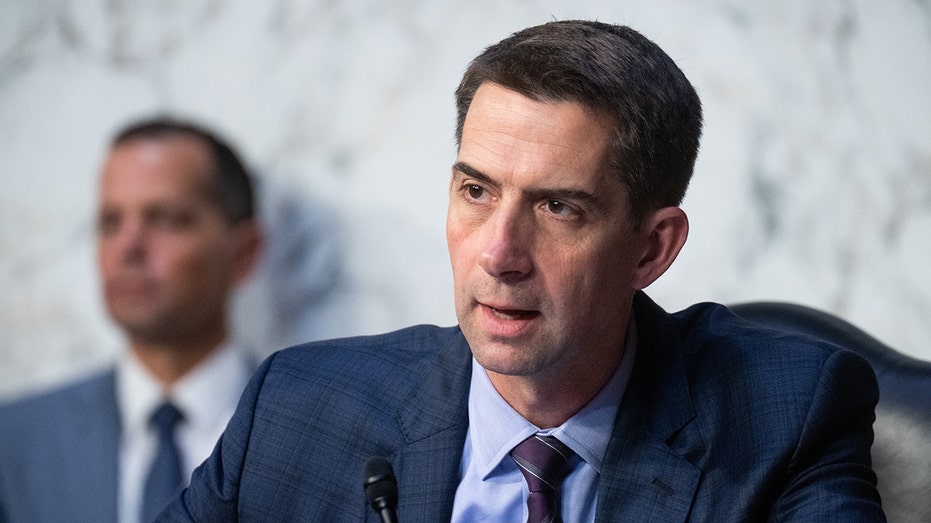
Senator Cotton Urges DOJ Probe into Alleged Chinese Campaign Targeting US AI
Senator Tom Cotton called on the DOJ to investigate a China-linked campaign he claims aims to undermine American artificial intelligence development.
Senator Tom Cotton has called upon the Department of Justice (DOJ) to investigate what he describes as a campaign orchestrated by China to "kneecap" the American artificial intelligence (AI) industry. The Arkansas Republican sent a letter to Attorney General Merrick Garland, urging a probe into alleged efforts by China to obstruct the progress of U.S. AI development.
Cotton's appeal highlights growing concerns among U.S. policymakers about China's technological ambitions and its potential to gain a competitive edge over the United States. The AI sector is seen as critical for future economic and national security, making any perceived foreign interference a matter of significant national interest.
The senator’s letter, dated Tuesday, specifically references a "campaign" that he believes is designed to hinder American innovation in AI. While the letter does not detail specific tactics or entities involved, it signals a broader governmental and political awareness of potential foreign influence operations targeting key technological sectors.
This call for a DOJ investigation underscores the strategic importance placed on AI leadership by the United States. The outcome of such a probe could have significant implications for U.S.-China relations, as well as for the regulatory landscape governing international collaboration and competition in advanced technologies.
The U.S. government has previously expressed concerns about intellectual property theft and espionage linked to China, particularly in sensitive technological fields. The AI sector, with its potential applications in defense, healthcare, and economic infrastructure, is a prime area of focus.
Cotton's initiative reflects a bipartisan sentiment in Congress regarding the need to protect American technological superiority. Several legislative efforts have been proposed to bolster domestic AI research and development while also scrutinizing foreign investment and influence.
Experts in cybersecurity and international relations have noted that state-sponsored actors often employ a variety of methods to gain advantages, including cyberattacks, economic coercion, and the manipulation of information. The exact nature of the alleged campaign against U.S. AI remains to be detailed by the DOJ, should an investigation be launched.
As the U.S. continues to navigate its complex relationship with China, the focus on technological competition is likely to intensify, with potential investigations into alleged foreign interference becoming a more common feature of this geopolitical landscape.
This article was written by AI based on publicly available news reporting. Original reporting by the linked source.