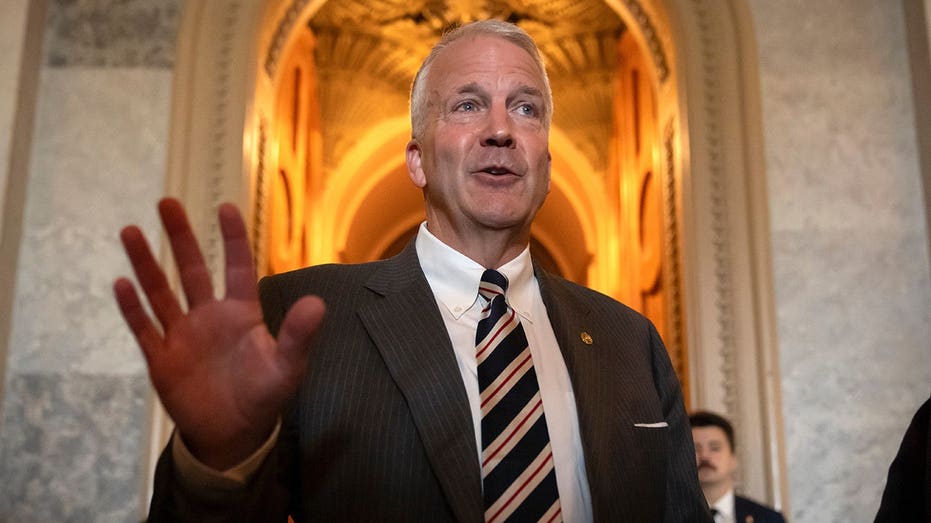
Senator Dan Sullivan Vows to Defeat Democratic Effort to 'Steal' His Name
Alaska Senator Dan Sullivan stated his intention to thwart a Democratic campaign he claims is designed to "steal" his name, vowing a strong response.
Senator Dan Sullivan of Alaska has declared his intention to vigorously oppose what he describes as a "ruthless" Democratic effort to "steal" his name. The Republican senator signaled his determination to fight back against what he perceives as a politically motivated campaign aimed at undermining his identity.
Sullivan's remarks highlight a contentious political tactic that has emerged in the lead-up to upcoming elections. While the specific details of the Democratic campaign were not fully elaborated, the senator framed it as a direct assault on his public persona and electoral prospects.
Speaking about the situation, Sullivan indicated that his campaign is preparing a robust response. He conveyed a sense of resolve, suggesting that the opposition's strategy would ultimately prove unsuccessful. The senator's comments signal a heightened level of political engagement and a commitment to defending his position.
The implications of such a tactic, if successful, could significantly impact voter perception and potentially influence election outcomes. Political strategists often scrutinize the effectiveness of name-recognition campaigns and the potential for opponents to exploit or co-opt familiar names.
This strategy, often referred to as "ballot name theft" or "name confusion," involves fielding candidates with similar names to well-known incumbents, with the aim of siphoning off votes from unsuspecting voters. While not unprecedented in political history, its resurgence can create significant challenges for targeted candidates.
Sullivan's firm stance suggests he views this as more than just a minor inconvenience; rather, he sees it as a deliberate attempt to manipulate the electoral process. His commitment to fighting back indicates that his campaign will likely employ countermeasures to educate voters and highlight the distinction between himself and any potential namesake candidates.
The effectiveness of such tactics often depends on the specific electoral rules of the jurisdiction, the clarity of the ballot, and the level of voter awareness. In Alaska, as in other states, election officials have procedures in place to prevent voter confusion, but the political maneuvering can still create a challenging environment.
As the election cycle progresses, the public will likely see further developments in this political contest. Senator Sullivan's proactive stance suggests a campaign prepared to confront and neutralize what it considers a deceptive electoral strategy.
This article was written by AI based on publicly available news reporting. Original reporting by the linked source.