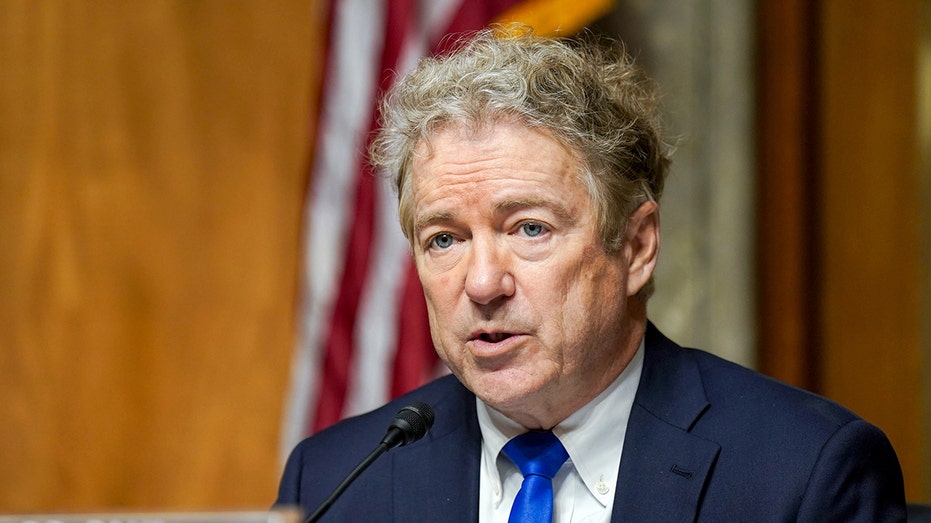
Senator Rand Paul: Congress Should Not Dictate College Sports Future
Senator Rand Paul argues that Congress should not interfere with college sports, advocating for self-regulation by institutions and athletes.
Senator Rand Paul has asserted that the future of college sports should not be determined by congressional legislation. In an opinion piece published by OutKick, Paul argued against government intervention, suggesting that such involvement would remove antitrust liability and allow institutions, athletes, and conferences to establish their own rules.
Paul's stance comes amid ongoing discussions and potential legislative actions concerning the evolving landscape of collegiate athletics, particularly regarding Name, Image, and Likeness (NIL) rights and the transfer portal. The senator believes that these matters are best handled internally by the stakeholders involved in college sports, rather than through federal mandates.
He expressed concern that congressional involvement could lead to unintended consequences and a less effective regulatory framework. Paul's perspective emphasizes a belief in the autonomy of sports organizations to manage their affairs and adapt to changing dynamics within the realm of college athletics.
The senator's viewpoint suggests that direct legislative action from Congress could stifle the organic development and self-governance that he believes is crucial for the health and progression of college sports. Instead, he advocates for a model where the NCAA, athletic conferences, universities, and student-athletes have the primary role in shaping the rules and policies that govern their activities.
This debate over congressional oversight in college sports touches upon complex issues of governance, athlete rights, and the commercialization of collegiate athletics. While some advocate for federal legislation to ensure fairness and consistency, others, like Senator Paul, prefer a more decentralized approach.
Paul's argument implies that a legislative approach might oversimplify the nuances of college sports and could impose one-size-fits-all solutions that do not adequately address the diverse needs and challenges faced by different programs and athletes across the country.
The senator's opinion piece serves as a counterpoint to the growing momentum for federal intervention, highlighting a preference for market-based solutions and self-regulation within the collegiate sports ecosystem.
Ultimately, Senator Paul's position underscores a broader philosophical debate about the appropriate role of government in sports governance and the balance between regulation and autonomy.
This article was written by AI based on publicly available news reporting. Original reporting by the linked source.