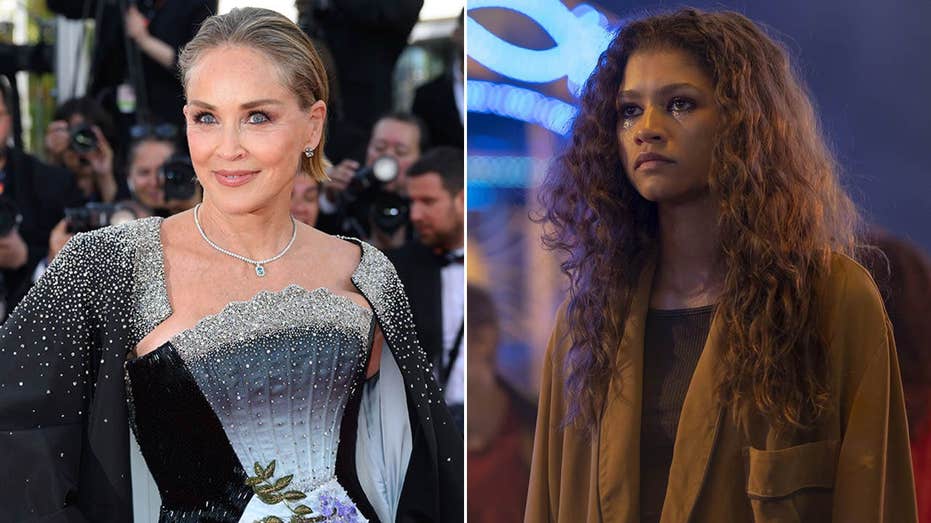
Sharon Stone: 'Euphoria' should be mandatory viewing in high schools
Actress Sharon Stone believes the HBO series 'Euphoria' offers crucial lessons and should be required viewing for high school students and their parents.
Actress Sharon Stone has advocated for the HBO series "Euphoria" to be shown in every high school across the nation and to be considered required viewing for parents. Stone expressed her belief that the show, which depicts the complex lives of teenagers dealing with issues such as addiction, relationships, and mental health, provides valuable insights.
"Euphoria," starring Zendaya, has garnered both critical acclaim and controversy for its unflinching portrayal of adolescent struggles. Stone's endorsement suggests she sees the series as an educational tool rather than solely entertainment. Her comments highlight a growing discussion about how media can reflect and inform societal understanding of pressing youth issues.
Stone, a prominent figure in Hollywood, did not specify which aspects of the show she believes are most critical for young audiences or their parents to understand. However, the series is known for its raw depiction of drug use, sexual experiences, and the psychological pressures faced by its characters. The show's creator, Sam Levinson, has often spoken about portraying these issues authentically.
If "Euphoria" were to be adopted in educational settings, it would likely spark significant debate among educators, parents, and policymakers. The show's mature themes and explicit content would necessitate careful consideration regarding age appropriateness and the context in which it would be presented. Such a move could also encourage more open dialogues about sensitive topics within families and schools.
The series has been praised by some for its honest representation of teenage life, while others have criticized its graphic nature. Proponents argue that it accurately reflects the challenges many young people face today, offering a sense of validation and potentially encouraging them to seek help. Opponents, however, worry about the potential for glamorizing dangerous behaviors or exposing younger audiences to content they are not prepared for.
Stone's call for mandatory viewing suggests a belief that the potential educational benefits outweigh the risks, particularly if accompanied by guidance. The series has been credited with raising awareness about mental health challenges and substance abuse among adolescents, contributing to a broader cultural conversation.
This proposal comes at a time when schools and parents are increasingly concerned about the impact of social media, peer pressure, and mental health crises on young people. "Euphoria" attempts to tackle these issues head-on, presenting a narrative that resonates with many teenagers who feel their experiences are often misunderstood or ignored.
The practical implementation of Stone's suggestion would face numerous hurdles, including curriculum approval, parental consent, and the availability of trained facilitators to guide discussions. Nevertheless, her statement underscores a desire to leverage popular culture for educational purposes, particularly on topics vital to adolescent well-being.
This article was written by AI based on publicly available news reporting. Original reporting by the linked source.