Six States Vote in Primaries, Deciding November's Key House, Senate, and Governor Races
Voters in six states cast ballots in primary elections Tuesday, determining candidates for crucial November contests that could shift congressional power.
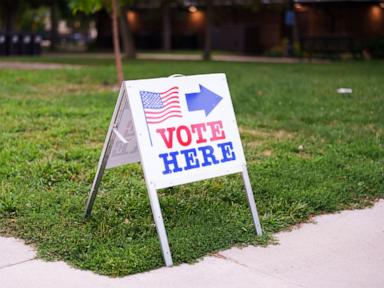
Voters across six U.S. states are heading to the polls Tuesday to cast their ballots in primary elections, deciding which candidates will advance to face off in the pivotal general elections this November. The outcomes of these races could significantly impact the balance of power in the next Congress, with key contests for the House of Representatives and Senate on the ballot, alongside several high-profile gubernatorial races.
The primaries are a crucial step in the election cycle, allowing voters to select their party's nominees for the November general election. This year's contests are particularly consequential, as they will shape the composition of Congress and state leadership for the coming years, with national implications for legislative agendas and policy directions.
In Wisconsin, the primary race for governor features a notable challenge from democratic socialists seeking to unseat the Democratic establishment. Meanwhile, South Carolina is holding a special Republican primary to select a candidate for the Senate seat vacated by the late Sen. Lindsey Graham. His sister, Darline Graham, who was appointed to fill the remainder of his term, is among those seeking to run for a full term.
The implications of these primaries extend beyond individual races, potentially influencing national political trends and the effectiveness of governing in both Washington and state capitals. As voters make their choices, the stage is being set for a closely watched general election that could bring about significant shifts in political representation.
Alabama's primaries, held in conjunction with other states, are addressing several House races. These contests are taking place against the backdrop of a Supreme Court decision that impacted parts of the Voting Rights Act, leading to mid-decade redistricting in several Southern states. Republican Gov. Kay Ivey had previously postponed primaries in specific districts affected by this redistricting.
Connecticut voters are also participating in primaries, with Democratic Gov. Ned Lamont facing a primary challenge from Josh Elliott. The winner of this Democratic contest will go on to compete against Republican Ryan Fazio in the general election.
Minnesota is a focal point, with primaries to replace retiring Democratic Sen. Tina Smith and retiring Gov. Tim Walz. Additionally, several House races in the state could play a role in determining the overall balance of power in the House of Representatives.
In South Carolina, the special Republican primary is a key event. The race to succeed the late Sen. Lindsey Graham has drawn significant attention, with Darline Graham, appointed to fill his unexpired term, contending with several other notable candidates for the party's nomination.
Vermont is also holding its primaries, including the Democratic primary for governor. The winner of this race will advance to challenge the incumbent Republican governor, Phil Scott, in the general election.
This article was written by AI based on publicly available news reporting. Original reporting by the linked source.