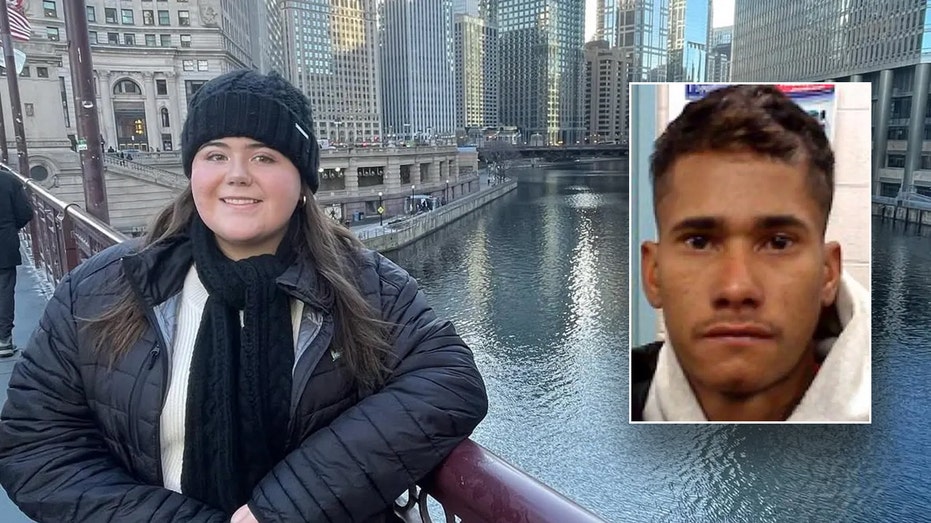
Slain Student's Sister Denounces Anti-ICE Protests in Hometown
The sister of a student allegedly killed by an undocumented immigrant has condemned anti-ICE protests, calling them deeply painful.
The sister of Sheridan Gorman, a student who was allegedly shot and killed by an undocumented immigrant, has publicly condemned anti-Immigration and Customs Enforcement (ICE) protests occurring in their hometown of Yorktown. The protests, which have gained traction recently, are seen by some as a political statement against federal immigration policies.
Sheridan Gorman's death has become a focal point in discussions surrounding immigration and public safety. The circumstances of her alleged killing, involving a suspect whose immigration status has been highlighted, have amplified the emotional weight of the protests for her family. The sister's statement underscores the profound personal impact such events can have on grieving families, particularly when protests touch upon the specific issues related to the tragedy.
Speaking out against the demonstrations, Sheridan's sister expressed that the anti-ICE protests are causing additional pain to her family during their period of mourning. She conveyed that the demonstrations, while potentially intended to address broader policy concerns, are perceived as insensitive to the loss they have suffered. The sentiment suggests a conflict between public activism and private grief, with the family feeling that the protests are inadvertently exacerbating their suffering.
The condemnation from Gorman's sister raises questions about the appropriate context for political demonstrations, especially when they occur in the aftermath of a deeply personal tragedy. It highlights the complex intersection of public policy debates and the lived experiences of individuals affected by crime and loss. The family's perspective suggests a desire for the community to acknowledge their pain rather than engage in political activism that they find distressing.
While the specifics of the legal proceedings against the individual accused in Sheridan Gorman's death are ongoing, the case has already ignited debate. The protests against ICE represent a segment of public opinion that advocates for immigration reform and criticizes the agency's operations. These demonstrations often involve calls for policy changes and express solidarity with immigrant communities.
However, the Gorman family's reaction introduces a different dimension to the narrative. Their plea for sensitivity suggests that the focus on political grievances can sometimes overshadow the human cost of violence and the need for communal support for victims' families. This perspective challenges activists to consider the immediate impact of their actions on those directly affected by the events they are protesting.
The situation in Yorktown reflects a broader national conversation about immigration, law enforcement, and the impact of crime on communities. As protests continue and public discourse evolves, the voice of Sheridan Gorman's sister serves as a poignant reminder of the personal tragedies that often lie at the heart of contentious policy debates.
Further developments in the legal case and continued community responses will likely shape the ongoing dialogue in Yorktown and beyond. The tension between political expression and personal grief remains a significant aspect of this unfolding story.
This article was written by AI based on publicly available news reporting. Original reporting by the linked source.