Slaves' Great-Grandson Warns Smithsonian of 'Anti-American Indoctrination'
A descendant of slaves criticizes the Smithsonian for promoting 'anti-American indoctrination' in its exhibits, sparking debate.
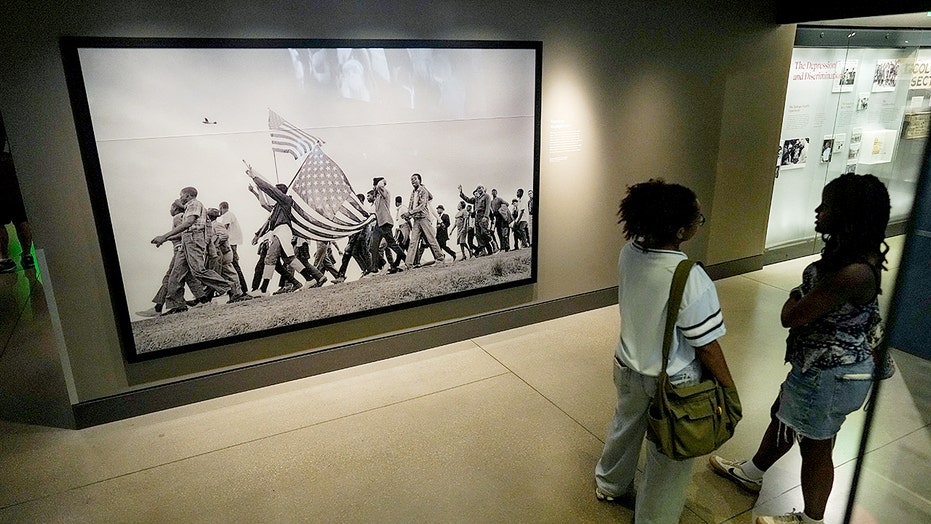
A descendant of enslaved people has voiced strong criticism of the Smithsonian Institution, alleging that some of its exhibits promote "anti-American indoctrination." The individual, whose family history is rooted in slavery, expressed concern that the museum's narrative is contributing to a divisive and negative view of American history.
The concerns were raised in the context of broader discussions about how historical institutions are interpreting and presenting sensitive aspects of the nation's past, particularly regarding race and slavery. Critics argue that certain interpretations can foster resentment rather than understanding.
This perspective highlights a growing tension surrounding the portrayal of American history, with some individuals feeling that institutions are focusing too heavily on the nation's flaws at the expense of its achievements. The Smithsonian, as a prominent national museum, often finds itself at the center of such debates.
The implications of these criticisms suggest a need for careful consideration by museums regarding the balance in their exhibitions. Presenting a comprehensive historical account that acknowledges past injustices while also recognizing national progress is a complex challenge.
Discussions around historical interpretation in museums have intensified in recent years. Museums are increasingly grappling with how to address difficult histories, including slavery, colonialism, and systemic discrimination, in ways that are both historically accurate and engaging for a diverse public. This often involves engaging with descendants of affected communities and incorporating a range of perspectives.
The Smithsonian, in particular, has faced scrutiny over various exhibitions. While some visitors and scholars praise its efforts to confront uncomfortable truths, others, like the descendant of slaves, feel that the focus has become overly negative, potentially alienating segments of the population.
Expert opinions on this matter vary. Some historians and museum professionals argue that a critical examination of history is essential for societal progress and reconciliation. They contend that ignoring or downplaying past wrongs does a disservice to those who suffered and hinders efforts to address ongoing inequalities.
However, the concerns raised by the descendant also point to an unresolved question about how to foster national unity and pride while simultaneously acknowledging historical failures. Finding this balance remains a significant challenge for institutions tasked with preserving and interpreting the nation's collective memory.
This article was written by AI based on publicly available news reporting. Original reporting by the linked source.