Son shot protesting for rights; Kashmir city gripped by deadly unrest
A doctor in Pakistan-administered Kashmir treats critically injured protesters as deadly clashes erupt over unmet demands, with authorities citing security concerns.
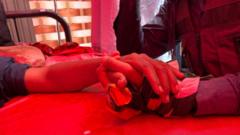
A makeshift clinic in Rawalakot, Pakistan-administered Kashmir (PAK), is struggling to cope with a surge of critically injured protesters, including Shafqat Hussain, who lies dying from a chest wound. Dozens have been killed in the past two months amid clashes between security forces and demonstrators from the Joint Awami Action Committee (JAAC).
This region, home to about 4.5 million people, is currently experiencing elections, adding a layer of political tension to the ongoing unrest. The BBC has gained access to Rawalakot, a city at the heart of the protests, to report on the escalating situation.
Dr. Anwar, who has changed his name for safety, stated his clinic can only provide basic first aid and cannot handle severe injuries to vital organs, which require advanced hospital care. He noted that even major hospitals would be overwhelmed by multiple such cases simultaneously. Since late July, his clinic has treated 50 to 60 critically injured individuals, with Dr. Anwar personally treating 15 to 20 gunshot victims. Many injured protesters are too afraid to go to official hospitals, fearing arrest or further violence, a claim the authorities dispute.
The majority of those killed or severely injured are young people, primarily between the ages of 15-16 and 32-35, according to Dr. Anwar. He observed very few patients over the age of 40.
Ali, a friend of Shafqat Hussain, expressed the protesters' frustration and grief. He stated that their demands were for basic necessities like affordable flour and electricity, and questioned why live bullets were being used against them. The JAAC's protests center on issues of electricity prices, education, and healthcare, claiming that an agreement signed with the Pakistan and PAK governments last October has not been implemented.
Local government officials, however, contend that the JAAC is armed and aims to disrupt the ongoing elections. They have prevented protesters from marching to the regional capital, Muzaffarabad. The JAAC, banned in June and labeled as foreign-funded terrorists, denies these accusations, asserting they are peaceful and funded by the overseas Pakistani community, not by India. They maintain they are the victims of violence, not the instigators.
Access to information has been severely restricted due to internet blackouts and blocked roads. Multiple families in Rawalakot have reported losing loved ones to shootings during protests, highlighting the gravity of the situation and the difficulty in verifying official accounts.
The ongoing conflict raises serious questions about the government's response to legitimate grievances and the human cost of suppressing dissent, particularly in a region already facing complex political dynamics.
This article was written by AI based on publicly available news reporting. Original reporting by the linked source.