South Africa Launches Urgent Plan After 11 Women Killed in Two Months
South Africa's president announced an urgent national action plan following the brutal killings of at least 11 women in the past two months.
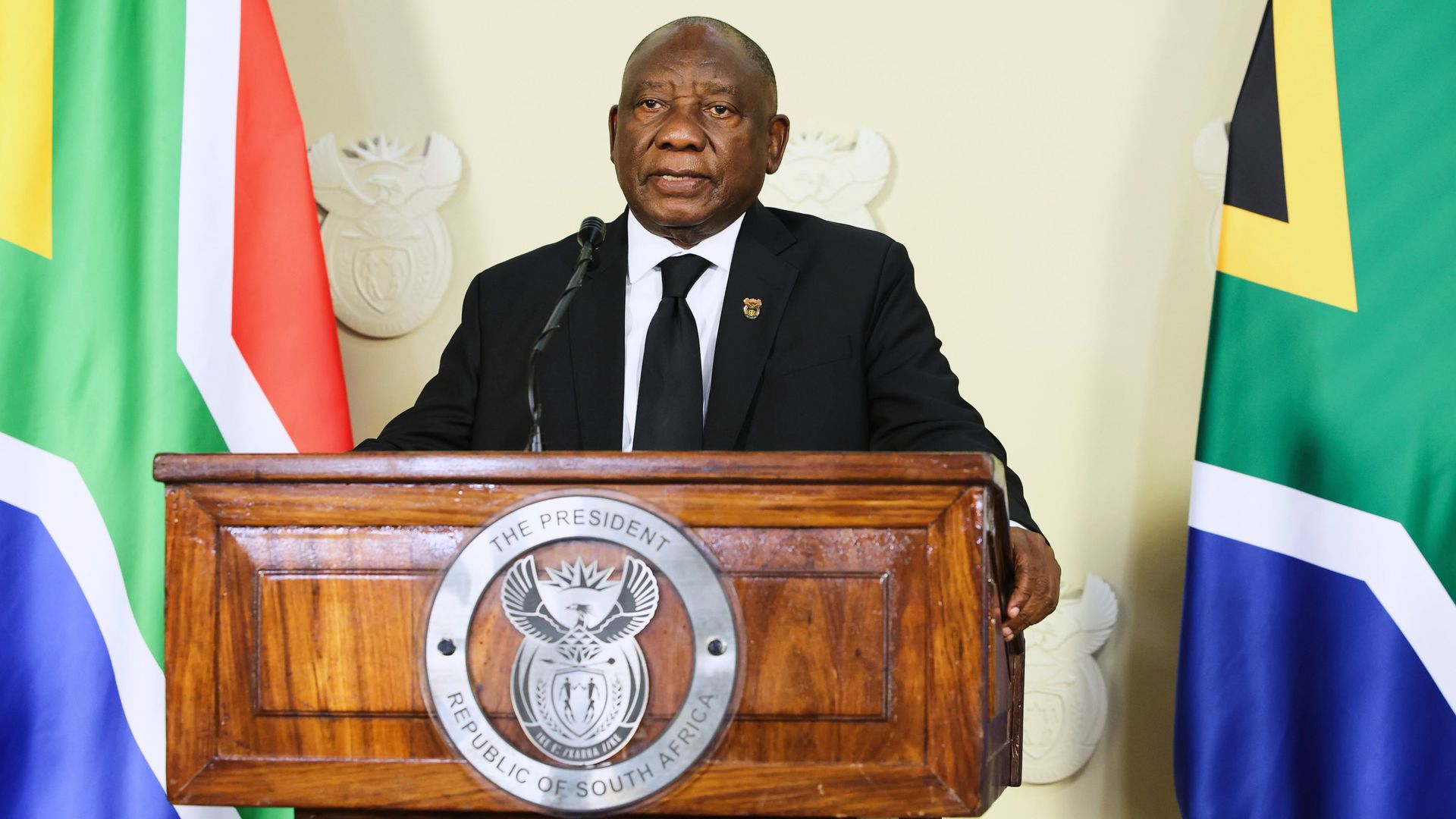
South Africa's President Cyril Ramaphosa has announced an urgent national action plan to combat the escalating violence against women, following the horrific killing of at least 11 women in just two months.
The grim statistic highlights a pervasive and deeply rooted problem of gender-based violence (GBV) in the country, which has seen a significant surge in recent times, prompting widespread public outcry and demands for immediate government intervention.
President Ramaphosa stated that the government is committed to implementing a comprehensive strategy that will involve increased policing, stricter sentencing for perpetrators, and enhanced support for survivors. The plan aims to address the systemic issues that contribute to the epidemic of violence, including societal attitudes and the effectiveness of the justice system.
This renewed focus on GBV comes amid growing pressure from civil society organizations and the public, who have expressed outrage over the frequency and brutality of these crimes. The government's move signals an acknowledgment of the crisis and an attempt to restore public confidence in its ability to protect its citizens.
Experts have long pointed to a complex interplay of factors fueling gender-based violence in South Africa, including high rates of poverty, unemployment, and a culture that can sometimes normalize or excuse violence against women. The country has some of the highest rates of rape and domestic violence globally, making the issue a persistent national emergency.
Details of the action plan are expected to be rolled out in the coming weeks, with a focus on improving prosecution rates and ensuring that justice is served for victims and their families. The government has also indicated plans for public awareness campaigns aimed at challenging harmful gender norms and promoting respectful relationships.
Past initiatives to combat GBV have faced challenges in implementation and achieving sustained impact. The success of this latest plan will likely depend on robust resource allocation, inter-departmental coordination, and genuine engagement with communities and survivor advocacy groups.
Unresolved questions remain regarding the long-term sustainability of these efforts and whether the proposed measures will be sufficient to dismantle the deep-seated societal issues that perpetuate such violence. The coming months will be critical in assessing the government's commitment and the tangible impact of its new strategy.
This article was written by AI based on publicly available news reporting. Original reporting by the linked source.