South African scientist discovers fungus to combat destructive armyworm pest
A soil fungus found to naturally kill African armyworms offers a promising, eco-friendly alternative for farmers battling the devastating crop pest.
A South African scientist has discovered a naturally occurring soil fungus that shows significant potential in controlling the African armyworm, a devastating pest that threatens crops and livestock grazing across east and southern Africa. The breakthrough research, led by entomologist Letodi Luki Mathulwe, offers a glimmer of hope for farmers struggling with the destructive march of these caterpillars.
Mathulwe, working for the agriculture department in South Africa's KwaZulu-Natal province, was alerted to the problem by a surge of calls from farmers experiencing widespread damage from armyworm outbreaks in 2025. The pest, known for its relentless, army-like advance through fields, was rapidly consuming crops and crucial grazing pastures.
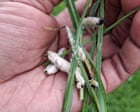
Intrigued by reports of dead caterpillars covered in a peculiar white substance in specific areas, Mathulwe investigated. She observed that while armyworms were thriving and causing destruction in some fields, they were inexplicably dying off in others. This led her to the discovery of a soil fungus actively killing the pests.
The implications of this discovery are significant. Chemical pesticides, the current primary method of control, are often expensive, can harm beneficial insects, and pose environmental risks. The identification of a biological agent like this fungus could provide a more sustainable and cost-effective solution for farmers.
Mathulwe collected samples of the dead armyworms and the associated fungus, which she then analyzed in her laboratory in Pietermaritzburg. Her team's findings, published in a peer-reviewed research paper, confirmed her initial hypothesis: the fungus was indeed responsible for the armyworms' demise. This natural control mechanism could be harnessed for wider application.
The African armyworm (Spodoptera exempta) poses a recurring threat, particularly during outbreaks, causing substantial economic losses for agricultural communities. Its ability to multiply rapidly and consume a wide variety of crops, including maize, sorghum, and sugarcane, as well as essential grasses, makes it a persistent challenge.
While the research is still in its early stages, the potential for developing a bio-pesticide based on this fungus is considerable. Such a development would align with global efforts to promote sustainable agriculture and reduce reliance on synthetic chemicals. Further research will focus on understanding the fungus's efficacy across different environments and its safety for non-target organisms.
This discovery could offer a much-needed, environmentally sound method for pest management, potentially safeguarding food security and livelihoods for countless farmers across the continent who are vulnerable to the destructive power of the armyworm.
This article was written by AI based on publicly available news reporting. Original reporting by the linked source.