Spain Erupts in Fiery Clashes as Millions Join First General Strike in 14 Years
Millions of Spanish workers participated in a nationwide general strike, leading to widespread unrest and fiery clashes in major cities.
Unrest erupted in cities across Spain on Wednesday as millions of workers participated in the country's first general strike in 14 years. The widespread industrial action, organized by major trade unions, brought significant portions of the economy to a standstill and led to public demonstrations that, in some instances, turned violent.
The strike was called to protest government austerity measures and proposed labor reforms that unions argue will undermine workers' rights and increase unemployment. The last general strike of this magnitude occurred in 2010, reflecting deep-seated discontent among the Spanish workforce regarding economic policies and their impact on living standards.
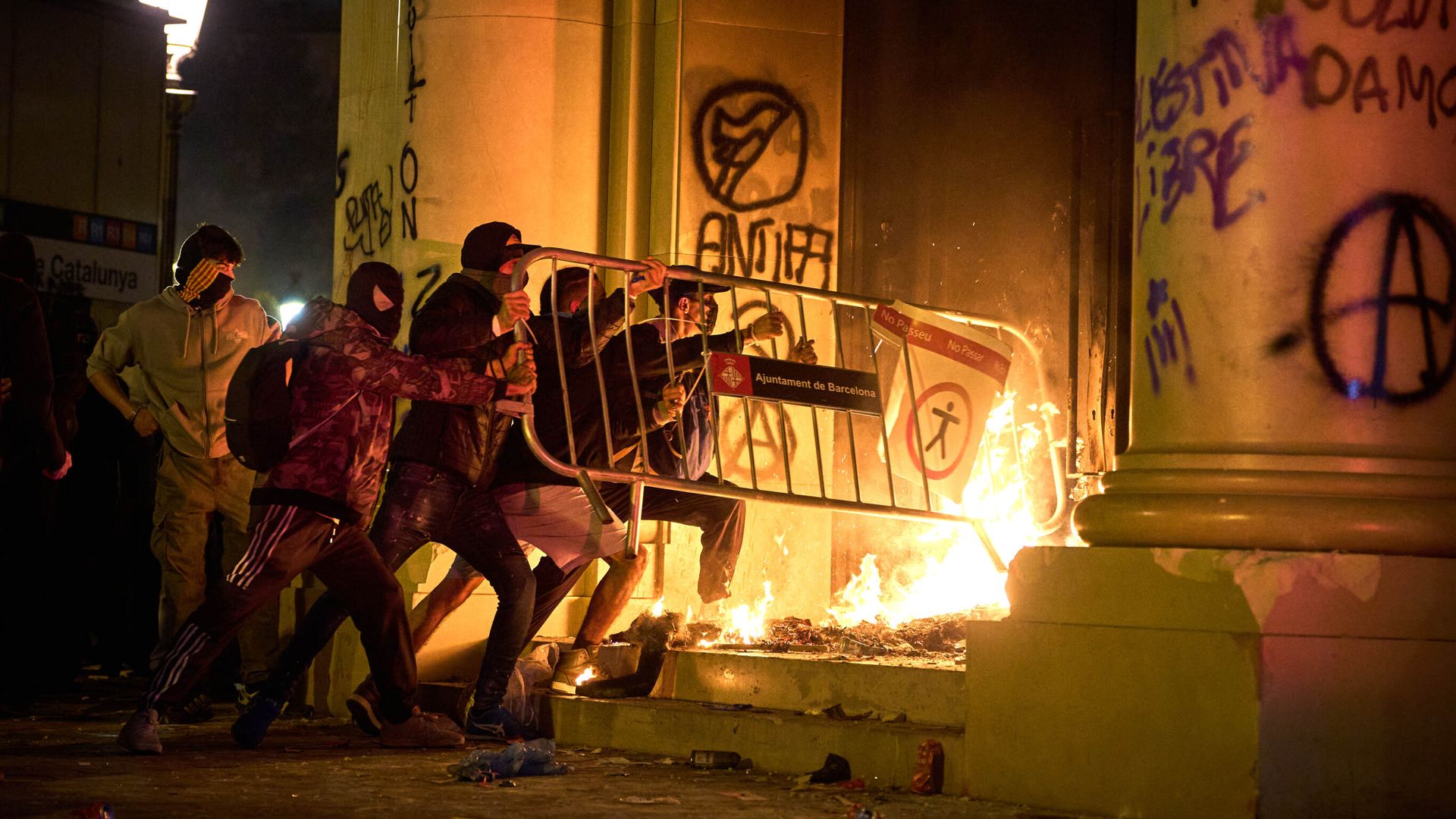
Reports from various cities described scenes of tension and confrontation. In Madrid and Barcelona, demonstrators clashed with police, with some instances of property damage and arrests reported. Public transportation was severely disrupted, with many commuters facing significant delays or cancellations. Essential services, while maintained at a minimum level, also experienced disruptions.
The full impact of the strike on the Spanish economy is yet to be determined, but initial assessments suggest significant financial losses for businesses affected by the work stoppage. The government has defended its reform proposals as necessary for economic recovery and competitiveness, while unions maintain that the measures disproportionately burden working families.
Trade union leaders emphasized that the strike was a unified call for social justice and a rejection of policies perceived as detrimental to the common citizen. They highlighted the high participation rates as a clear signal of the workforce's solidarity and determination to protect their rights and working conditions. The government, however, reiterated its commitment to the reform agenda, framing it as essential for long-term economic stability and job creation.
Experts have noted that the scale of Wednesday's strike underscores the lingering economic anxieties in Spain, even as official statistics may point to some recovery. The deep divisions between the government's economic strategy and the demands of labor organizations suggest that the tensions are likely to persist.
Analysts are closely watching for the government's response to the widespread opposition and the potential for further industrial action. The success of the strike in forcing policy concessions remains uncertain, but it has undeniably amplified the public debate surrounding economic policy and social welfare.
Questions linger about the long-term implications for labor relations in Spain and whether this significant display of worker solidarity will lead to a reevaluation of the current economic trajectory or a hardening of government resolve.
This article was written by AI based on publicly available news reporting. Original reporting by the linked source.