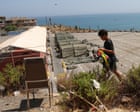
Spain U-Turns, Will Allow 500 Migrant Children From Ceuta To Mainland
Spain reverses stance, allowing 500 unaccompanied migrant children from Ceuta to relocate to the mainland after initially vowing to send them back.
The Spanish government has announced a significant policy reversal, agreeing to allow approximately 500 unaccompanied migrant children currently in the North African enclave of Ceuta to relocate to the Spanish mainland. This decision comes after an initial hardline stance that all individuals entering Ceuta illegally would be returned to Morocco.
Ceuta, a Spanish territory bordering Morocco, experienced a sudden influx of an estimated 70,000 people, including thousands of minors, on July 30. While the majority have since returned to Morocco, a substantial number of unaccompanied children remain. Spanish law dictates that the state has a duty of care for these young migrants until they reach the age of 18.
This U-turn follows a statement made on August 13 by Interior Minister Fernando Grande-Marlaska, who had declared that illegal entrants "will not reach the peninsula, nor the European continent and nor will they remain indefinitely in Ceuta or Melilla." The government's current plan aims to mitigate conflict with regional governments, particularly those led by conservative and far-right parties, which have expressed reluctance to accept their allocated quotas of migrant children.
To manage the transfer and care of these vulnerable children, especially girls, the youth ministry is working with the Ceuta government to implement an urgent plan. This strategy involves non-governmental organizations (NGOs) and child protection agencies taking responsibility for the children's care, bypassing the need for guardianship to be transferred to Spain's regional governments. Rubén Pérez Correa, the secretary of state for children, has been present in Ceuta since Sunday to address the situation of hundreds of children living on the streets.
The government's change of heart occurred just hours after the European Commission stated that, under EU law, all migrants remaining in Ceuta should be returned to Morocco, a stance that included unaccompanied minors. A spokesperson for the commission clarified that all irregular migrants in Ceuta were expected to be sent back.
This situation highlights the complex challenges of managing migration flows through Spanish enclaves in North Africa. Ceuta and Melilla have long been flashpoints for irregular migration attempts, with individuals often using makeshift rafts or swimming across the strait.
The relocation plan aims to provide a more humane and structured approach to the care of unaccompanied minors, acknowledging the legal and moral obligations towards children who arrive in Spanish territory without guardians.
Further details on the implementation of the plan, including the specific roles of NGOs and the timeline for the transfers, are expected to be released as the situation develops. The long-term integration and support for these children on the mainland remain key considerations.
This article was written by AI based on publicly available news reporting. Original reporting by the linked source.