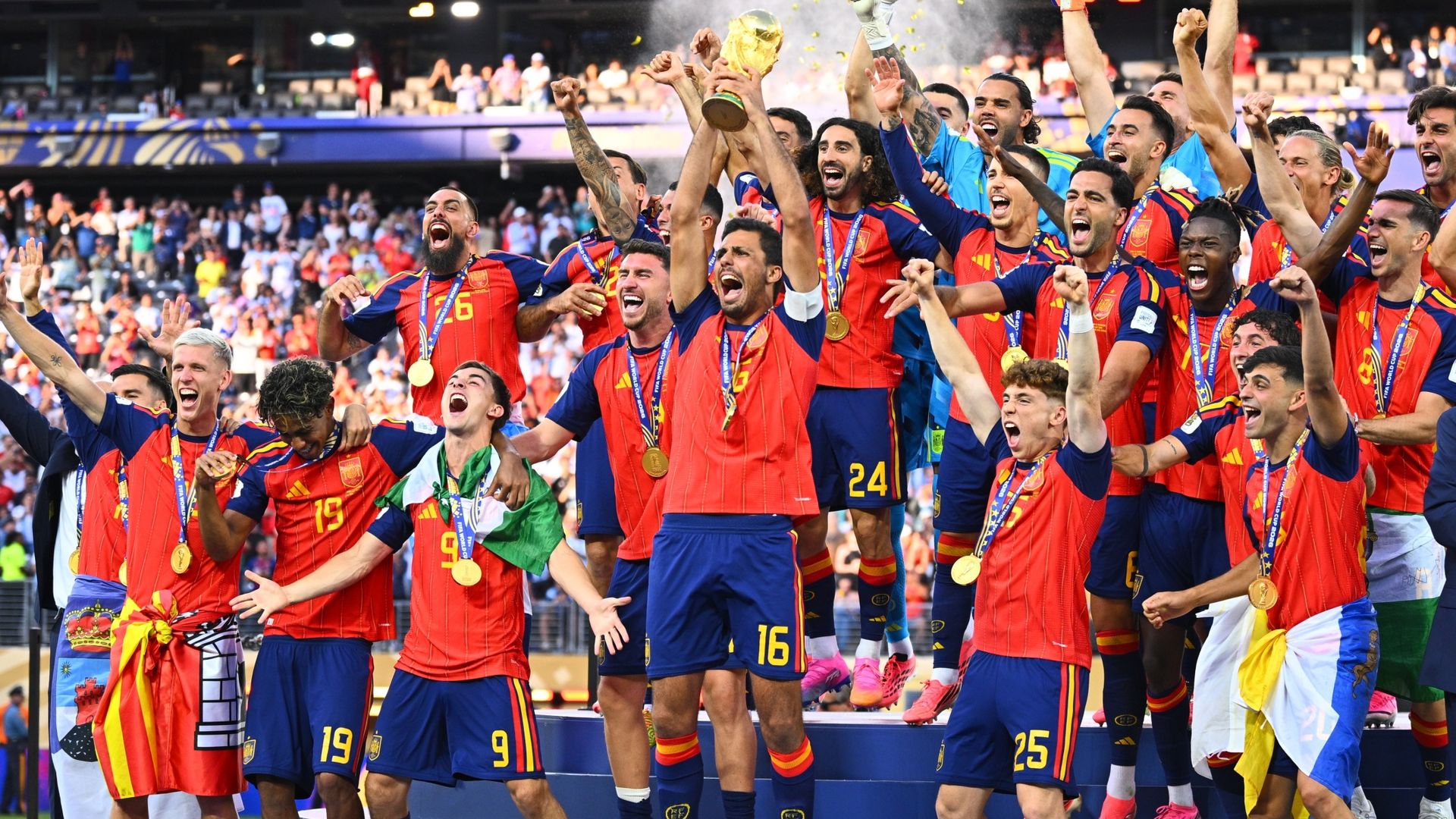
Spain Wins World Cup After 106 Minutes, 20 Shots, and 800+ Passes
Spain secured the World Cup title after a hard-fought final, with Ferran Torres scoring the decisive goal.
Spain has emerged victorious in the World Cup final, clinching the coveted trophy after a grueling match that saw them dominate possession and create numerous chances.
The decisive moment arrived in the 106th minute, a testament to Spain's persistent offensive strategy throughout the tournament. The team's patient build-up play, characterized by an impressive passing accuracy, eventually broke down the opposition's defense.
Ferran Torres was the player who found the back of the net, marking the culmination of a match that saw Spain register over 800 passes and take 20 shots on goal. This victory highlights Spain's tactical approach, emphasizing control and intricate passing.
The triumph signifies a major achievement for Spanish football, potentially ushering in a new era of success for the national team. The implications extend beyond the immediate celebration, likely inspiring a new generation of players and fans.
Spain's journey to the final was marked by a consistent style of play, relying heavily on ball retention and strategic midfield control. This approach has been a hallmark of their success in recent years, with this World Cup win serving as the ultimate validation.
The final match itself was a tense affair, with both teams displaying strong defensive organization. However, Spain's relentless pressure and superior technical ability ultimately proved to be the difference.
Supporters and football analysts alike have praised Spain's tactical discipline and the individual brilliance of players like Torres. The statistical breakdown of the final, including the high pass count and shot tally, underscores the team's commitment to their game plan.
As the celebrations begin, questions may arise about how other nations will adapt their strategies to counter Spain's dominant style in future international competitions. The impact of this victory on the global football landscape is expected to be significant.
This article was written by AI based on publicly available news reporting. Original reporting by the linked source.