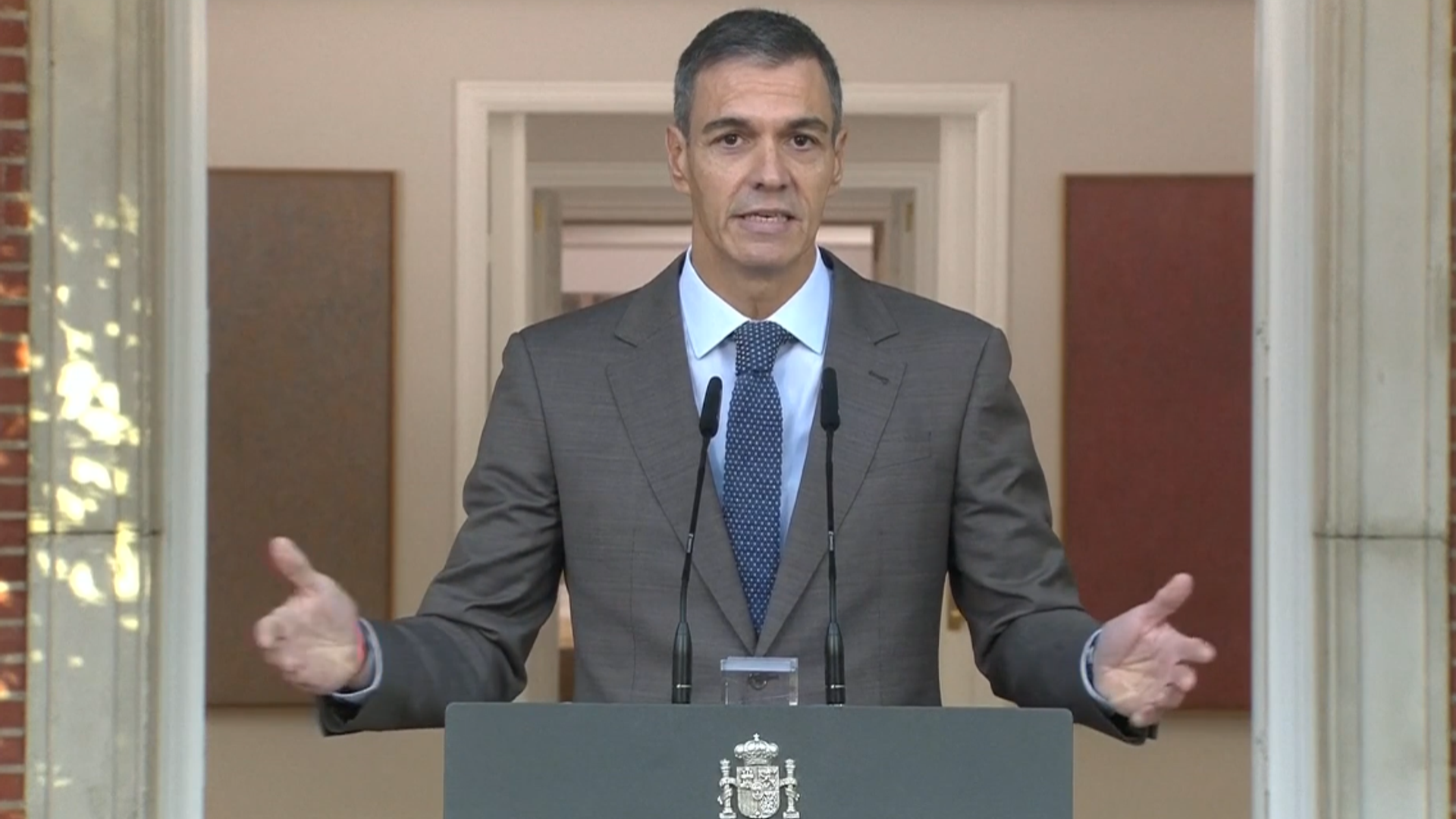
Spain's Prime Minister Sanchez Calls Snap Election for July
Spanish Prime Minister Pedro Sanchez has unexpectedly called a snap general election for July, following regional election results.
Spanish Prime Minister Pedro Sanchez announced on Monday that he is calling a snap general election for July 23. The surprise move comes after his Socialist party suffered significant losses in regional and municipal elections held on Sunday.
The decision to hold an early election, just over a year before the end of the current term, indicates Sanchez's assessment that his party's electoral prospects are unlikely to improve with more time. The regional election results showed a strong performance by the conservative Popular Party (PP), posing a significant challenge to the Socialists' hold on power.
Sanchez stated that he had informed the King about his decision and that the dissolution of parliament would be formalized through a royal decree. The outcome of Sunday's local elections, which saw the PP gain control in several key cities including Madrid, and the conservative Vox party also making gains, appears to have been a major catalyst for the prime minister's announcement.
The early election will now set the stage for a highly anticipated national contest, with the PP, led by Alberto Núñez Feijóo, expected to be the main challenger. The results from Sunday's vote are being interpreted as a clear signal of voter sentiment across the country, potentially reflecting a broader shift away from the current left-leaning coalition government.
Political analysts suggest that Sanchez may be attempting to regain the initiative or perhaps believes that a swift electoral battle is preferable to a prolonged period of political uncertainty. The performance of the far-right Vox party in the regional elections also adds another layer of complexity to the national political landscape.
While the specific rationale behind the timing was not elaborated upon beyond the immediate electoral context, the snap election will undoubtedly reshape Spain's political trajectory in the coming months. The campaign is expected to focus on economic issues, social policies, and the future direction of the country's governance.
Further details regarding the campaign period and potential alliances are anticipated as the political parties prepare for the unexpected electoral showdown. The outcome of this snap election will determine the composition of Spain's next government and its policy agenda.
This article was written by AI based on publicly available news reporting. Original reporting by the linked source.