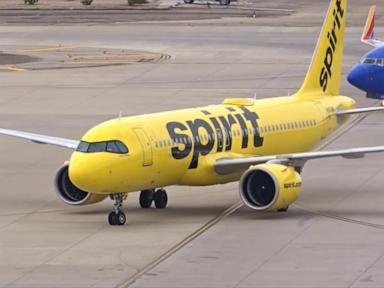
Spirit Airlines Sued by Former Employees Over Denied Pay and Benefits
Former Spirit Airlines employees are suing the company, alleging they were denied pay and benefits after its operations ceased.
Spirit Airlines is facing a lawsuit from former employees who claim they were not compensated with earned pay and benefits following the airline's closure. The legal action centers on allegations that the company failed to provide these essential payments to workers after ceasing operations.
The lawsuit highlights a critical period for employees who dedicated their services to the airline, only to reportedly be left without promised remuneration and benefits. This situation arises after the airline's operational shutdown, leaving a significant number of its former workforce in a precarious financial position.
Details of the suit, as reported, indicate that former workers are seeking what they are rightfully owed, including wages and benefits that were allegedly withheld. The specific amounts and the full scope of the alleged non-payment are central to the legal proceedings.
This legal challenge could have broader implications for the airline's remaining assets and any future restructuring or dissolution processes. It also underscores the importance of employee protections and timely compensation, particularly in industries prone to operational instability.
The legal complaint aims to address the financial fallout for these former employees, seeking to recover lost earnings and benefits. This situation is particularly concerning given the economic uncertainty many individuals face when employment unexpectedly ends.
Further details are expected to emerge as the lawsuit progresses through the legal system. The outcome will likely depend on the evidence presented regarding employment contracts, company policies, and the specific circumstances surrounding Spirit Airlines' operational cessation.
Legal experts suggest that such cases often hinge on the precise wording of employment agreements and applicable labor laws concerning final pay and benefits upon cessation of business operations.
This lawsuit brings attention to the rights of airline employees during periods of corporate distress and the responsibilities of companies to their workforce in such challenging times.
This article was written by AI based on publicly available news reporting. Original reporting by the linked source.