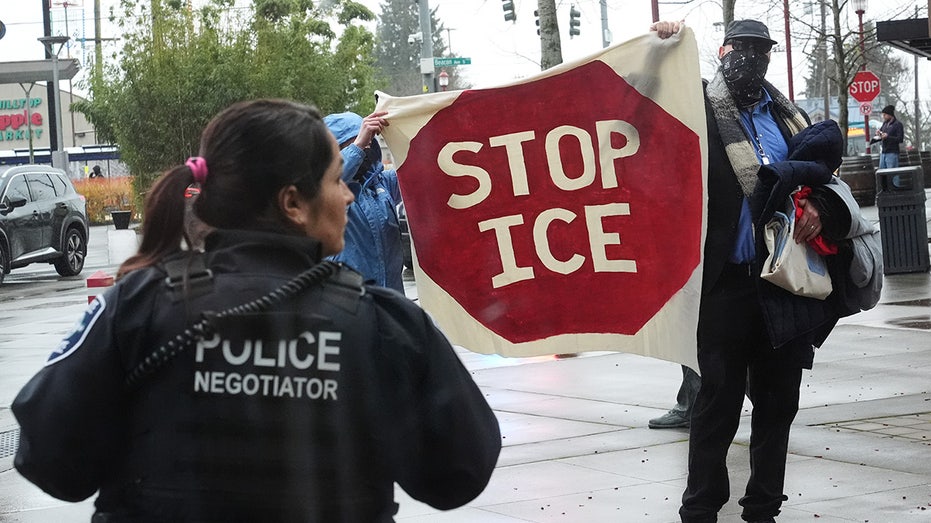
'Spokane 3' Convicted for Blocking ICE Bus, Facing Federal Conspiracy Charges
Three individuals known as 'Spokane 3' were convicted on federal conspiracy charges for obstructing an Immigration and Customs Enforcement bus in Washington.
Three individuals, collectively referred to as the 'Spokane 3,' have been convicted on federal conspiracy charges for their role in blocking an Immigration and Customs Enforcement (ICE) bus in Spokane, Washington. The conviction stems from an incident where the group allegedly conspired to impede federal officers carrying out their duties.
The incident occurred in January 2021, when the defendants are accused of orchestrating a blockade to prevent the transport of individuals detained by ICE. This action drew the attention of federal authorities, leading to an investigation and subsequent charges.
Prosecutors argued that the defendants engaged in a coordinated effort to disrupt ICE operations. Evidence presented during the trial reportedly included communications and actions taken by the group that demonstrated a plan to obstruct the bus. The defense, however, may have contended that their actions were a form of protest.
The conviction carries significant implications for individuals who engage in protests that interfere with federal law enforcement activities. It underscores the legal consequences of actions deemed to be in violation of federal statutes, particularly those related to conspiracy and obstruction.
This case highlights the ongoing tensions surrounding immigration enforcement and the methods employed by activists to protest government policies. Similar incidents have occurred in other cities, often sparking debate about the balance between the right to protest and the enforcement of federal law.
Legal experts note that conspiracy charges require proof of an agreement between two or more individuals to commit a crime, along with an overt act taken to further that agreement. The prosecution would have needed to establish these elements beyond a reasonable doubt.
Details regarding the specific sentence for the 'Spokane 3' were not immediately available following the verdict. The resolution of this case could set a precedent for how similar acts of civil disobedience are treated by the federal justice system.
Further analysis will likely focus on the legal arguments presented by both sides and the broader societal implications of the verdict in relation to activism and immigration policy.
This article was written by AI based on publicly available news reporting. Original reporting by the linked source.