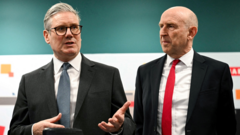
Starmer Defends Defence Spending Amid Minister Resignations, Vows to Stay On
Prime Minister Sir Keir Starmer insists he has a duty to remain in office, defending defence spending decisions after two ministers resigned.
Prime Minister Sir Keir Starmer has asserted his determination to remain in his post, stating he has a "deep sense of duty" to serve the country, particularly as he navigates decisions on defence spending. His comments come a day after two of his defence ministers resigned, citing concerns over the government's commitment to funding national security.
Sir Keir addressed the resignations by emphasizing that defence spending is his "number one priority." He detailed "hard-edged choices" made by his government, including requiring every department to implement cuts to free up funds for defence. This strategic reallocation, he argued, demonstrates his commitment to national security despite challenging circumstances.
In a subtle message to potential rivals within his party, Sir Keir stated that any future prime minister would face similar "prevailing winds." He acknowledged that he "needs to turn things around" and wants to lead the Labour party into the next election. However, he also expressed a desire to avoid the "chaos of a leadership election," while adding that he would "fight" if such a contest were to occur.
The Prime Minister dismissed the criticisms from the departing Defence Secretary, John Healey, who had accused the government of being "unable to commit to the spending needed to keep the country safe." Sir Keir stated he was grateful for Healey's service but rejected his analysis, reiterating that defence was paramount and would remain so in future spending reviews. As evidence of his ability to make difficult fiscal decisions, he pointed to cuts in overseas aid.
When questioned about potential reductions in welfare spending to further bolster defence budgets, Sir Keir indicated that the government's focus on helping people into work would "free up resources." This suggests a strategy of economic reform to support increased defence expenditure rather than direct cuts to social programs.
The dispute highlights ongoing internal tensions regarding the funding and strategy for the UK's defence capabilities. The Defence Investment Plan (DIP), intended to outline the procurement of new military equipment and infrastructure over the next decade, has faced significant delays, having been postponed from its original autumn deadline.
These delays have drawn criticism from parliamentary committees, with some MPs warning that they undermine the UK's credibility on the international stage. The defence row underscores a broader debate about how best to maintain and enhance national security in a complex global environment, balancing competing budgetary demands.
Sir Keir's stance suggests a firm resolve to prioritize defence spending, even in the face of internal dissent and the need for significant fiscal adjustments across government departments. The coming months will likely see further scrutiny of the government's defence strategy and its financial underpinnings.
This article was written by AI based on publicly available news reporting. Original reporting by the linked source.