Sudan Civil War Displaced Face 'Dire' Conditions in El Obeid
Over 200,000 displaced by Sudan's civil war are in El Obeid, facing dire and deteriorating humanitarian conditions.
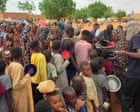
Humanitarian conditions in the Sudanese city of El Obeid and two surrounding camps are dire and deteriorating, as civilians fleeing the ongoing civil war continue to arrive in large numbers. Displaced people are pouring in from the countryside, seeking refuge from the fighting between the Sudanese Armed Forces and the Rapid Support Forces (RSF) militia.
The United Nations reports that more than 15,000 families have arrived in El Obeid since mid-July alone. This influx adds to the over 200,000 people who had already arrived in the first half of the year, according to government figures cited by Save the Children. Humanitarian workers describe the situation as "shockingly overcrowded" and harsh, with new arrivals often carrying little and suffering from a shortage of food.
Maryam, a humanitarian volunteer whose name was changed for her safety, stated that the city is receiving internally displaced people (IDPs) on a daily basis. She noted that the new arrivals are traumatized and often arrive on foot with minimal possessions. The city of El Obeid, the capital of North Kordofan province, was home to approximately half a million people before the conflict began over three years ago.
While many of the recent arrivals have been accommodated within the city itself, tens of thousands are now living in two main tented camps on the outskirts. Analysis of satellite data by the Yale Humanitarian Research Lab indicates a significant increase in the number of tents in one of these camps, with 800 new tents appearing between August 4 and August 25.
Paul Byars, the Sudan country director for the Danish Refugee Council, visited El Obeid last week and witnessed the scale of displacement firsthand. He observed 450 arrivals from surrounding villages on a single morning. Byars confirmed that approximately 85% of the arrivals are women and children, with most men remaining behind to tend to farming activities, which is crucial during this period.
The continuing displacement highlights the severe impact of the civil war on civilian populations. The lack of adequate resources and shelter in El Obeid poses a significant challenge for aid organizations attempting to provide essential services to the growing number of vulnerable individuals.
Save the Children's figures underscore the immense pressure on El Obeid, a city that was already a significant urban center before the conflict. The rapid growth of informal settlements and camps around the city points to a desperate search for safety amid escalating violence.
The situation remains critical, with the ongoing conflict showing no signs of abating, suggesting that the humanitarian crisis in El Obeid and its surroundings is likely to persist and potentially worsen without substantial international intervention and a resolution to the fighting.
This article was written by AI based on publicly available news reporting. Original reporting by the linked source.