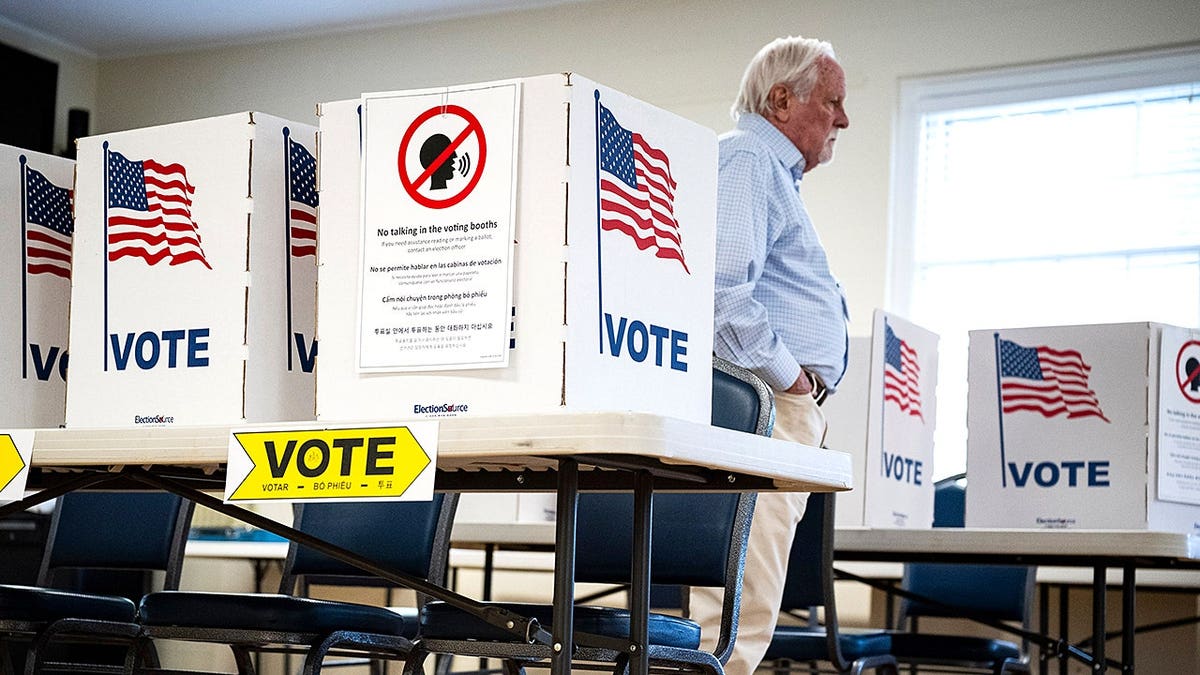
Summer Polls Missed Key Voter Shifts Ahead of Midterm Elections
Analysis suggests that voter sentiment is undergoing significant shifts, potentially impacting the upcoming midterm elections more than recent polls indicate.
Washington's statistical models may have overlooked crucial undercurrents in the American electorate, as the nation braces for the upcoming midterm elections. Recent analyses suggest that voter sentiment is undergoing significant shifts that could reshape the political landscape.
The conventional wisdom, often shaped by polling data, may not fully capture the dynamic nature of voter opinions as the midterms approach. The period between major election cycles often sees subtle but consequential changes in public mood and priorities, which can be difficult to quantify in standard polling methodologies.
Sources indicate that voter concerns are evolving, with issues like crime in "blue cities," border security, and the perceived impact of campus radicalism gaining prominence. These topics, alongside broader political trends and foreign policy challenges, appear to be resonating with a segment of the electorate that may not be fully reflected in current polling averages.
The implications of these shifts could be substantial for both major parties. If these evolving voter priorities translate into tangible electoral outcomes, the midterms could present a different picture than what many statistical models are currently projecting. This suggests that the "midterms start now" in terms of voter engagement and the formation of electoral preferences.
The focus on specific "blue city" crime statistics, for instance, points to a potential narrative of urban mismanagement that could be leveraged politically. Similarly, the ongoing discourse surrounding border security taps into deep-seated concerns about national sovereignty and resource allocation.
While polling aims to capture a snapshot of public opinion, the fluidity of political sentiment, especially in the months leading up to an election, presents a persistent challenge. The "receipts," as alluded to in the source material, represent the tangible outcomes of voter choices, which may ultimately diverge from poll predictions.
Experts suggest that campaigns and analysts will need to pay close attention to grassroots sentiment and emerging voter concerns that may not be immediately apparent in aggregated data. The ability to adapt to these evolving priorities could prove decisive in the upcoming contests.
As the election cycle progresses, the true impact of these voter movements will become clearer. The midterms will serve as a critical test of whether broader political narratives align with the on-the-ground realities and evolving concerns of the American populace.
This article was written by AI based on publicly available news reporting. Original reporting by the linked source.