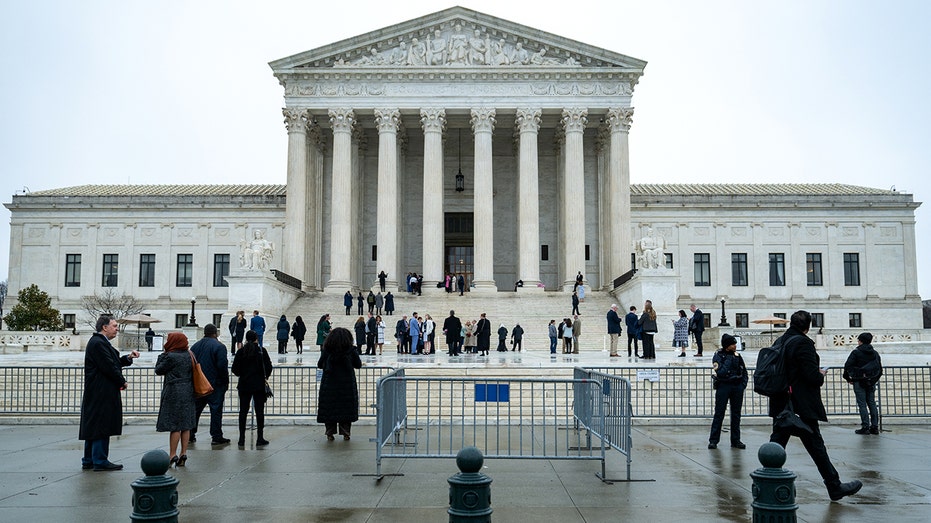
Supreme Court Allows New Hampshire to Bar Student IDs for Voting
The Supreme Court ruled New Hampshire can reject student identification for voting, impacting college students' ability to cast ballots.
The U.S. Supreme Court has allowed New Hampshire to enforce a law that prevents college students from using their student identification cards to vote. This decision effectively upholds the state's requirement that voters must possess a "domicile" in the town where they vote, a standard that college IDs do not satisfy under the new interpretation.
The ruling stems from a challenge brought by students and groups who argued that the state's interpretation of domicile and its restrictions on voter identification disenfranchised college students. New Hampshire's Republican-led legislature passed the law in 2022, tightening voter ID rules and requiring proof of domicile, which the state argued was necessary to prevent non-residents from voting.
Opponents of the law contended that it created an undue burden for college students, many of whom live in dormitories or off-campus housing for the majority of the year and consider these locations their primary residence. They argued that student IDs are a valid form of identification and that barring them would suppress the student vote. The state, however, maintained that the law was designed to ensure voter integrity and prevent individuals who do not truly reside in the state from participating in elections.
This Supreme Court decision has significant implications for college towns in New Hampshire, potentially affecting election outcomes. It raises questions about how easily students can establish domicile and participate in local and state elections, particularly for those who may not be familiar with the state's specific residency requirements or who rely on their university for housing and identification.
Legal experts have noted that the ruling centers on the definition of "domicile" and the state's authority to set its own voter identification requirements, provided they do not violate federal law. The Supreme Court's decision did not delve into the specifics of whether student IDs are inherently less reliable than other forms of identification but rather focused on the state's right to define what constitutes acceptable proof of residency for voting purposes.
The debate over voter identification laws has been a prominent issue in recent years, with various states implementing different requirements. Critics often argue that these laws disproportionately affect marginalized communities, including students, the elderly, and low-income individuals, by creating barriers to registration and voting. Supporters, conversely, assert that such measures are essential for preventing voter fraud and maintaining public confidence in election integrity.
Following the Supreme Court's decision, attention will likely turn to how New Hampshire election officials implement the law and whether further legal challenges arise. The core issue remains the balance between ensuring election security and safeguarding the right to vote for all eligible citizens, including those in transient living situations such as college students.
This outcome could serve as a precedent for other states considering similar legislation regarding voter identification and residency requirements, especially in areas with large student populations.
This article was written by AI based on publicly available news reporting. Original reporting by the linked source.